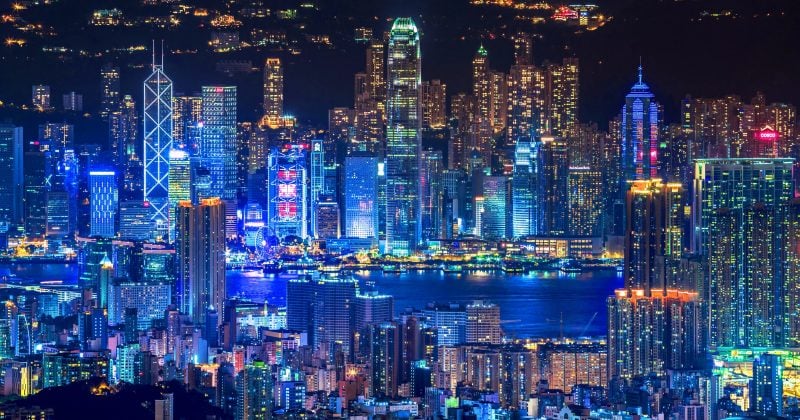
Hong Kong’s IPO market has seen a staggering $17 billion poured into Chinese tech firms in recent months, highlighting the city-state’s strategic role in the global tech competition.
This massive funding injection is largely driven by the AI fever sweeping the industry, with numerous companies listing in Hong Kong to capitalize on the growing demand for AI-related services and technologies.
AI-Driven Listings Surge
According to recent data, Hong Kong’s IPO market is experiencing a dramatic revival, fueled by the artificial intelligence demand and a growing pipeline of over 300 companies waiting to list.
Among the key players driving this surge are Chinese tech giants, such as Xiaodu, a leading AI-driven smart home solutions provider, which recently raised $2.1 billion in its IPO. Another notable example is Meituan, a food delivery and e-commerce giant, which has raised a significant amount of capital to fuel its AI-powered logistics and delivery services.
Strategic Role in Global Competition
Hong Kong’s role in this global tech competition is multifaceted. On one hand, the city offers unique access to the Chinese market, which is a key driver of AI adoption and innovation. On the other hand, this also increases the risk of market dilution, as foreign investors may be drawn to Hong Kong’s relatively open market but may lack a deep understanding of the local landscape.
While the short-term benefits of this funding surge may seem undeniable, it raises important questions about the long-term implications for investors and the broader market. Will Hong Kong’s IPO market continue to attract top talent and innovative companies, or will the risks associated with market dilution and regulatory challenges slow it down?
What this means
The key takeaway from this development is that Hong Kong’s IPO market is poised to play a significant role in the global AI landscape. As investors, we should be aware of the unique opportunities and risks presented by this market, and be prepared to adapt to the evolving regulatory and market dynamics.