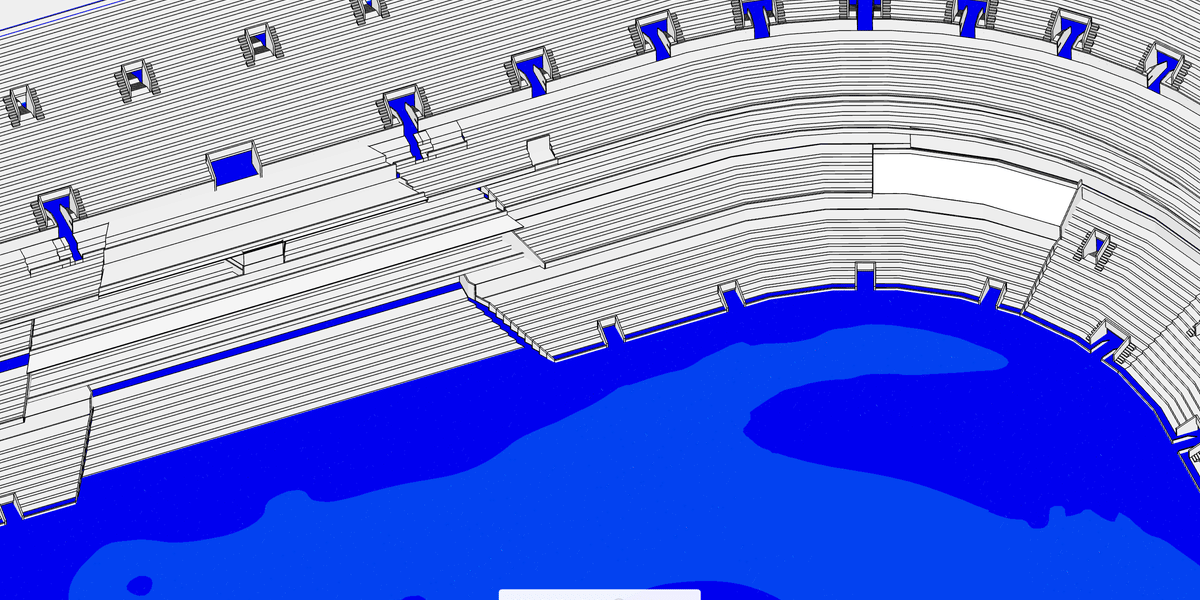
The US-based 2026 World Cup is turning up the heat on stadium design, quite literally.
Stadiums across the country, built with varying degrees of air circulation, shading, and cooling systems, are facing a daunting challenge: keeping players and spectators safe in scorching temperatures. With more than one-third of matches rated high-risk for heat-related illnesses, tournament organizers are scrambling to mitigate the conditions.
A complex issue
Stadium design has long been a trade-off between functionality, aesthetics, and cost. But with the added pressure of climate change, architects and engineers are being forced to reevaluate their approach. The World Cup is serving as a real-world stress test, highlighting the intricacies of balancing comfort and safety.
The contrast between climate-controlled and open-air stadiums is stark. While the latter provide a more immersive experience, they’re often plagued by sweltering temperatures and humidity. In contrast, the former offer a cooling reprieve, but at the expense of atmosphere and energy consumption.
Designing for extremes
As temperatures soar, stadium designers are turning to innovative solutions. Some are incorporating shading technologies, such as retractable canopies or parasols, to block direct sunlight and reduce heat gain. Others are leveraging evaporative cooling systems, which use water vapor to lower temperatures without the need for electricity.
However, these solutions come with their own set of challenges and trade-offs. Shading technologies can be expensive and may obstruct views, while evaporative cooling systems require significant water resources and maintenance.
A lesson for the future
The 2026 World Cup may be a unique experiment, but it’s not without broader implications. As climate change continues to reshape our environment, stadium design will need to adapt. The lessons learned from this tournament can inform the design of future sports venues, ensuring that they’re not only safe but also sustainable and enjoyable for spectators.
What this means: Stadium designers will need to prioritize climate-resilient design, weighing the costs and benefits of various solutions to create safe and comfortable spaces for both players and spectators.