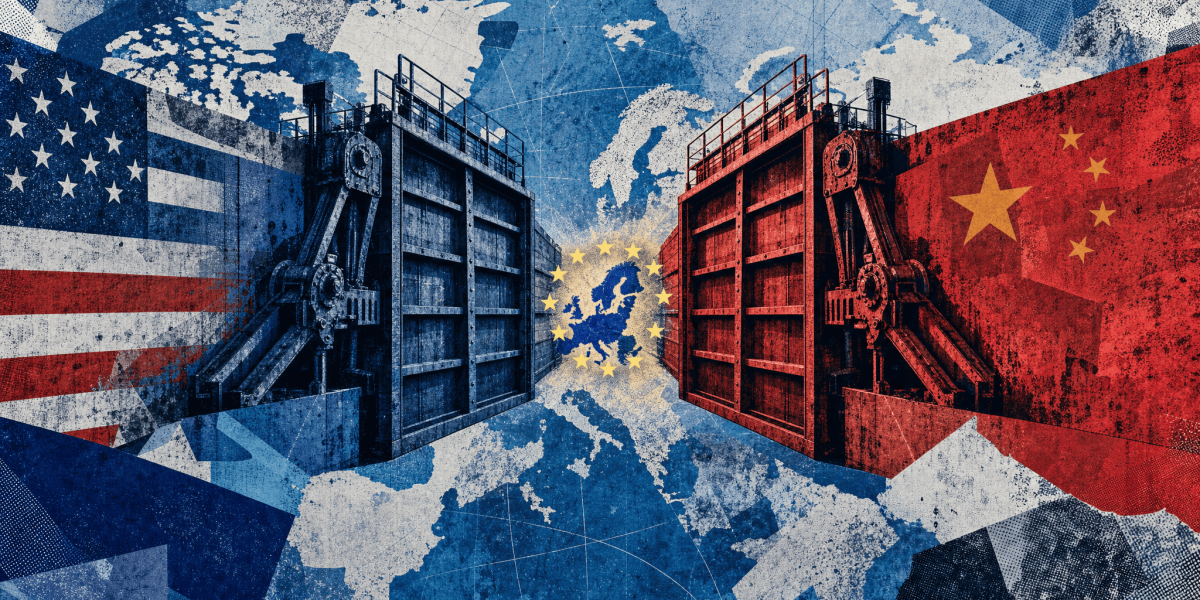
The Chinese government is considering a major shift in its AI export policies, one that could significantly impact the global tech landscape.
Blocking access to AI’s best tools
Chinese authorities are exploring the idea of restricting overseas access to the country’s most advanced artificial intelligence models, in a move aimed at protecting national security. Officials from the Ministry of Commerce and the state planning agency have been holding discussions with major tech firms, including those in the AI sector.
The proposed regulations would target both proprietary closed-source systems and open-weight models that allow users to customize underlying code. This means that companies developing advanced AI tools in China might soon find themselves faced with restrictions on how they’re allowed to export their work.
What’s behind the push?
China’s move is likely a response to growing concerns over the use of advanced AI technologies for military and strategic purposes. With the US and other Western nations investing heavily in AI research, China is keen to ensure its own advantages in the field aren’t compromised.
The push is also linked to a broader effort in China to enhance the country’s AI sector. This includes initiatives like the country’s China Plan 2025, which aims to make AI a central component of China’s technology strategy by 2025.
A global impact on AI development
Chinese restrictions on AI exports could have significant implications for the global tech industry. If implemented, the regulations could limit the ability of companies outside of China to access and develop advanced AI tools, potentially slowing innovation in the sector as a whole.
What this means is that companies around the world will need to adapt to a new reality where access to the best AI tools may be more limited. This could drive innovation in other areas, such as the development of alternative AI models or new AI-centric technologies.
In the short term, however, the restrictions are likely to cause significant disruption to companies that rely on access to Chinese AI expertise. The final shape of the regulations remains unclear, but one thing is certain: China’s move will significantly impact the global AI landscape in the years to come.