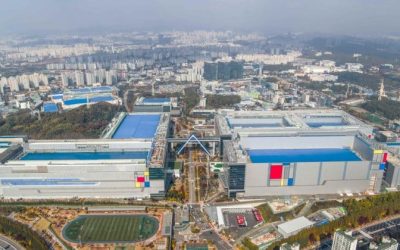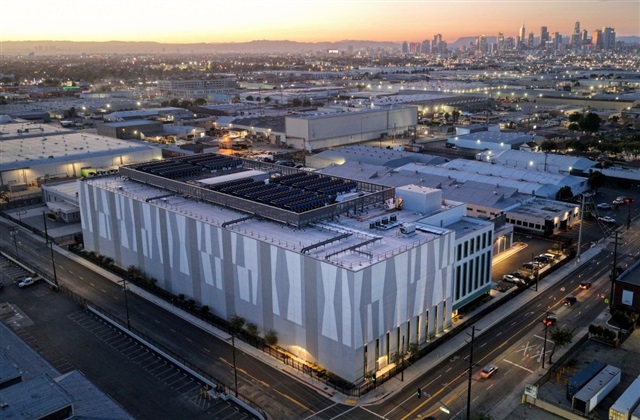
A new challenge has emerged for the artificial intelligence (AI) industry: securing enough land, power, and community support to build the massive data centers required for large-scale AI computing. The cancellation of Blackstone-owned QTS’ planned Digital Gateway data center project in Virginia highlights this shift, as the US struggles to compete with China’s centralized approach to AI infrastructure.
China’s Centralized Strategy
China has been aggressively building large-scale data centers, often in remote areas with cheap land and power. This approach allows the country to centralize its AI resources, making it easier to manage and optimize its AI computing capabilities. For example, in 2020, China’s government announced plans to develop a massive AI computing hub in the city of Zhangbei, which will have a total capacity of 1.4 exaflops – roughly 40% of the world’s total AI computing capacity.
US Faces Local Hurdles
Meanwhile, in the US, local communities are increasingly raising concerns about the environmental and social impact of large-scale data centers. The cancellation of QTS’ Digital Gateway project in Virginia is a prime example. Local residents had raised concerns about the project’s potential effects on air and water quality, as well as its impact on the local wildlife.
The US data center industry is also facing significant challenges in securing enough power and land to build large-scale data centers. Many areas are already saturated with data centers, making it difficult to find suitable locations. Additionally, local governments are often hesitant to grant permits for new data center projects, due to concerns about noise pollution, water usage, and other issues.
What This Means for AI
The shift from chip-based bottlenecks to infrastructure challenges has significant implications for the AI industry. As AI computing demands continue to grow, companies will need to find innovative solutions to secure the resources required to build and operate large-scale data centers. This may involve developing new technologies that reduce energy consumption and environmental impact, or finding new locations that can accommodate large-scale data centers without generating local resistance.
For the US, this means that local governments and communities will need to work together to create a more welcoming environment for data center development. This may involve implementing policies that balance the economic benefits of data centers with the need to protect local environments and communities.