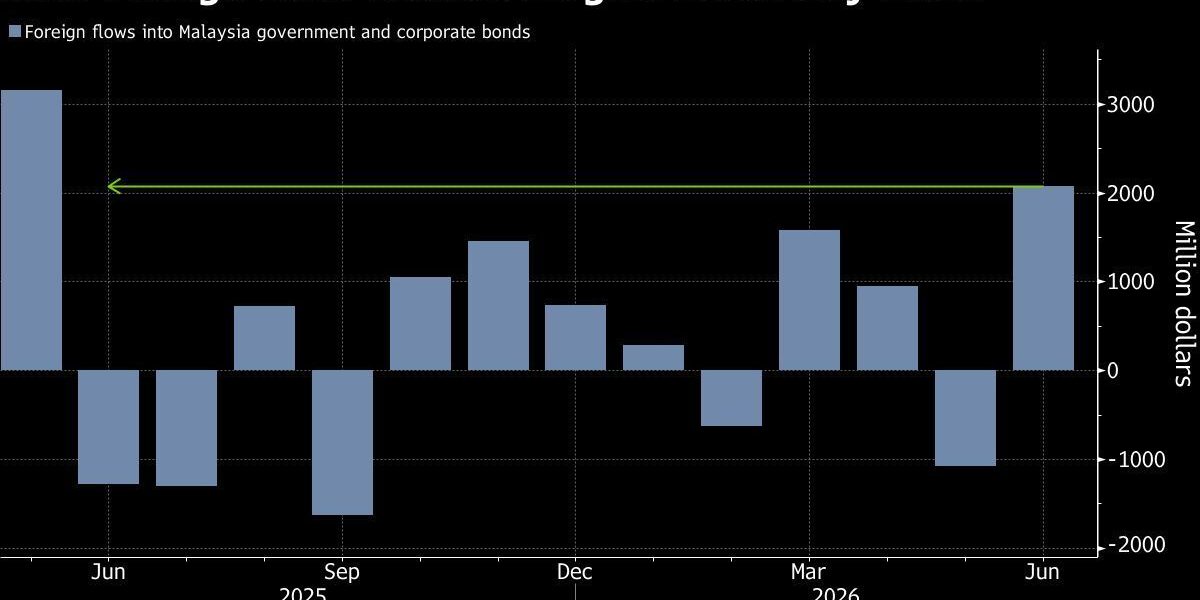
The Malaysian government’s decision to introduce capital flow measures has AI analysts predicting a rebound in the ringgit’s value.
Balancing Act
Capital flow measures are designed to attract and retain foreign capital by easing rules and regulations for investors, effectively increasing the amount of money flowing into the Malaysian economy.
One key measure is the relaxation of rules for the purchase of Malaysian government bonds by foreign investors, making it easier for them to hold onto these assets and contribute to capital inflows.
Another measure is the introduction of a new scheme that allows investors to buy and sell ringgit-denominated bonds without having to convert their money into another currency, reducing the risk associated with investing in Malaysia’s currency.
Economic Fundamentals
Analysts say the ringgit’s rebound is not just about capital flow measures, but also about the country’s strong economic fundamentals.
Malaysia’s economy has been performing well, driven by a robust manufacturing sector and a surge in exports, particularly in the electronics and semiconductor industries.
The country’s current account surplus has also been a major contributor to its strong economic fundamentals, as foreign earnings are injected into the economy through exports and foreign investment.
What this Means
The anticipated rebound in the ringgit’s value is expected to have a positive impact on businesses and individuals in Malaysia.
For importers, a stronger ringgit will make imports cheaper, helping to reduce their costs and increase their competitiveness in the global market.
For individuals, a rebound in the ringgit’s value will also boost their purchasing power, making foreign travel and imported goods more affordable.
However, a stronger ringgit may also have negative implications for Malaysian exporters, who may find it more difficult to sell their products abroad due to increased competition from other countries.