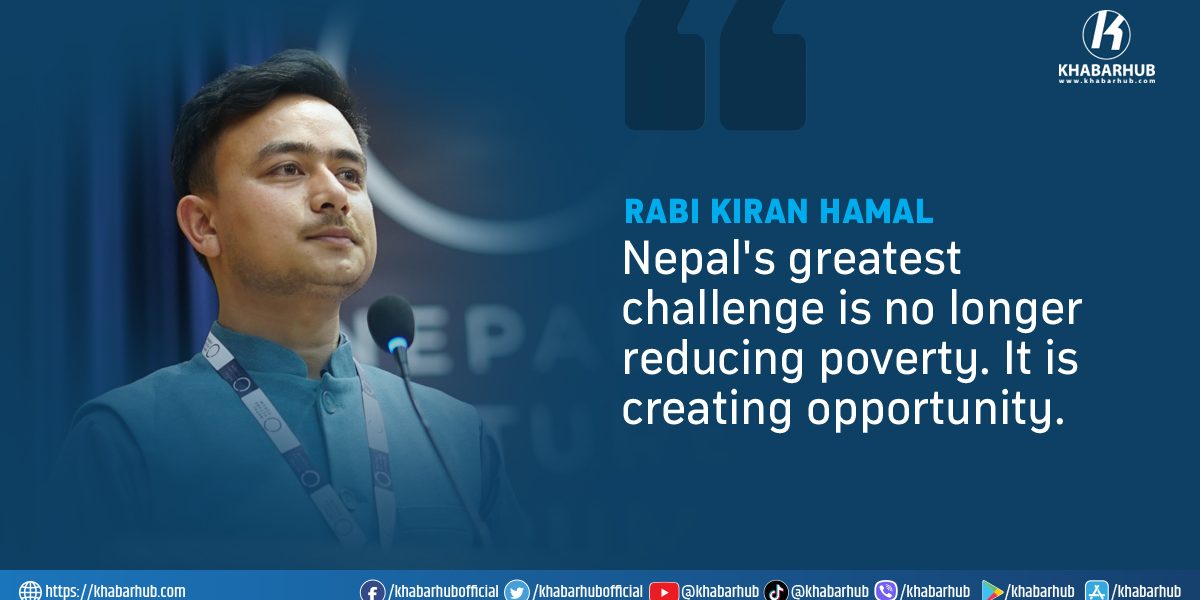
Nepal has officially transitioned out of the category of a low-income country, according to the latest Sustainable Development Report 2026, marking a profound shift in the nation’s development trajectory.
Nearing Middle-Income Status
The report highlights Nepal’s remarkable progress in reducing poverty, expanding access to education, and improving healthcare – all key drivers of this significant economic advancement.
Nepal’s GDP per capita has risen steadily over the past decade, with the country now boasting a GDP per capita of over $1,500 – a crucial benchmark for middle-income status. This milestone represents a significant achievement, considering Nepal’s challenging geography, demographics, and historical development context.
According to the report, Nepal has reduced its poverty rate from a staggering 31.4% in 2006 to just 7.2% in 2020. This reduction is largely attributed to the government’s sustained efforts to expand education, healthcare, and economic opportunities, particularly in rural areas.
The Double-Edged Sword of Progress
While Nepal’s progress is undoubtedly a cause for celebration, the report also sounds a cautionary note. The country still faces significant development challenges, including climate change, inequality, and a relatively small tax base.
The report points out that Nepal’s income inequality has actually worsened over the past decade, with the richest 10% of the population enjoying a disproportionate share of national income. This trend poses a significant risk to Nepal’s long-term development prospects, if left unaddressed.
Nepal will need to continue investing in education and healthcare, while also implementing policies to address income inequality and promote sustainable economic growth.
Lessons for Other Developing Countries
Nepal’s experience offers valuable lessons for other developing countries struggling to achieve middle-income status. Policymakers and development experts should take note of Nepal’s commitment to education and healthcare, as well as its efforts to expand economic opportunities in rural areas.
Ultimately, Nepal’s transition out of low-income status serves as a testament to the country’s resilience and determination to drive meaningful development. As the nation continues on its path forward, it’s essential to strike a balance between economic growth and social equity, ensuring that no one is left behind in the process.
What this means: Nepal’s success story serves as a reminder that, with the right policies and investments, developing countries can overcome seemingly insurmountable challenges and achieve significant economic growth. As the world grapples with its own development challenges, Nepal’s experience offers valuable insights into the importance of prioritizing education, healthcare, and social equity in the pursuit of sustainable development.