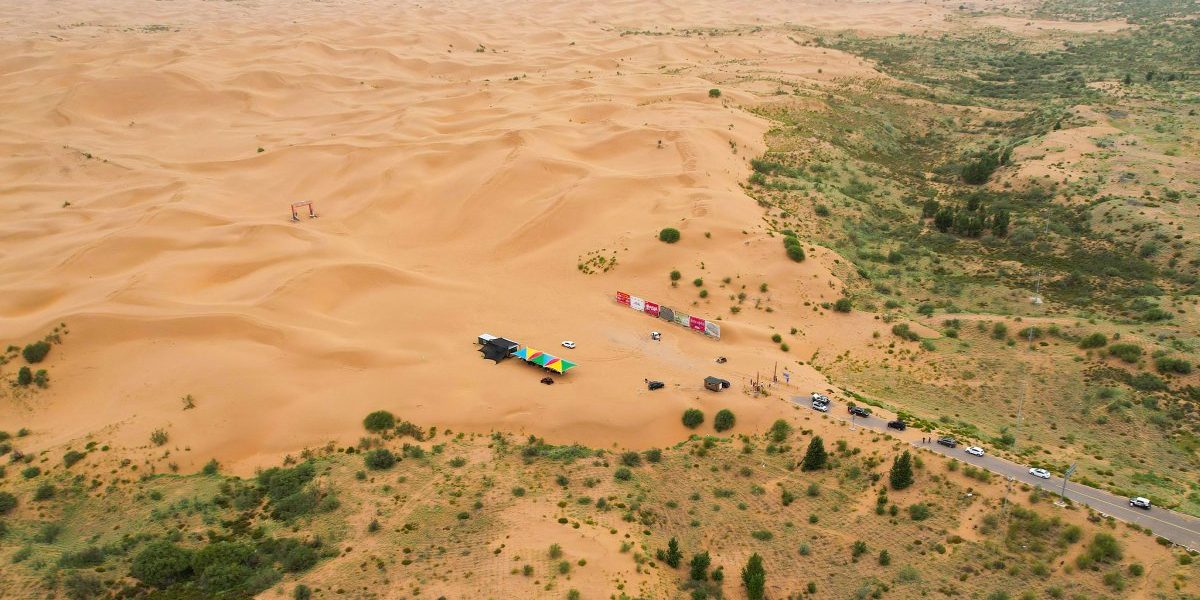
China’s Great Green Wall, a monumental afforestation project spanning over 4,500 miles, has reached a staggering milestone: 66 billion trees planted across the Gobi and Taklamakan deserts over the past five decades.
Where’s the Forest?
While the sheer scale of this effort is awe-inspiring, satellite images and field research suggest that many of these trees haven’t exactly thrived.
According to a recent study published in the Journal of Ecology and Environment, nearly 30% of the planted trees have died. This translates to approximately 20 billion trees that failed to take root.
The researchers attribute this high mortality rate to several factors, including inadequate soil moisture, extreme temperatures, and a lack of suitable tree species for the harsh desert environment.
Lessons Learned
So, what can we learn from this ambitious yet imperfect project?
Firstly, it highlights the complexity of large-scale ecological restoration efforts. The Great Green Wall’s massive scope and geographical diversity have made it challenging to tailor the project to the specific needs of each region.
Secondly, this experience underscores the importance of rigorous scientific planning, monitoring, and adaptation in ecological restoration projects.
Lastly, it underscores the need for more effective and targeted tree-planting strategies that account for local conditions and species suitability.
A Silver Lining?
Despite the high mortality rate, the Great Green Wall has still had a significant impact on the environment.
By providing a network of connected forests and green spaces, the project has helped to reduce desertification, stabilize soil, and increase local biodiversity.
What this means: While China’s afforestation efforts may not have been as successful as initially hoped, they still offer valuable lessons for future ecological restoration projects. By embracing a more nuanced understanding of ecological complexity and adaptability, we can improve the effectiveness of large-scale initiatives like the Great Green Wall.
As researchers and policymakers continue to refine their approaches, the potential benefits of such projects – including carbon sequestration, improved air quality, and enhanced ecosystem services – remain substantial.