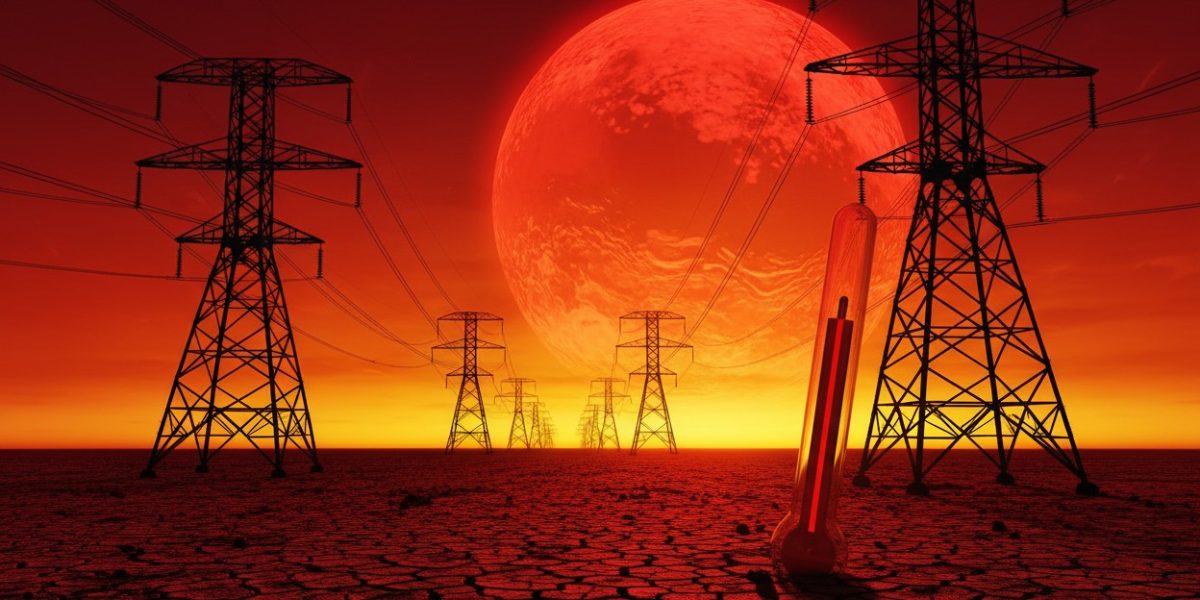
Power Grid on Brink: July Heatwave Pushes PJM to Emergency Status
The PJM Interconnection, the largest power grid operation in the United States, declared a grid emergency on July 1 as a historic heat dome gripped the Mid-Atlantic region, bringing temperatures into triple digits. This severe heatwave is putting an unprecedented strain on the grid, threatening the reliability of electricity supplies.
The heat dome, a weather phenomenon characterized by high-pressure systems that trap heat, is causing a record power demand, with electricity usage surging by up to 10,000 megawatts, a whopping 15% above normal levels. PJM officials say this is a significant challenge, given that the grid is already operating at maximum capacity.
AI-Powered Grid Management to the Rescue?
In a time of crisis like this, AI-powered grid management tools are becoming increasingly vital. Advanced AI systems can quickly analyze data from various sources, including weather forecasts and power plant outputs, to predict and manage energy demand more efficiently. These systems can optimize power distribution, helping to prevent grid failures and minimize energy losses.
While AI can’t directly alleviate the heatwave’s impact, it can play a crucial role in mitigating its effects on the power grid. For instance, AI-driven predictive analytics can help identify areas of high demand and alert utility companies to take preventive measures, such as adjusting power output or implementing load management strategies.
A Glimpse into the Grid’s Future
What this means is that the PJM grid emergency is not just a consequence of the heatwave but also a test of the grid’s resilience in the face of extreme weather events. As the frequency and intensity of such events increase due to climate change, the need for more efficient and adaptable grid management systems becomes clearer.
AI-powered grid management is an essential step in ensuring the reliability and sustainability of the power grid, particularly in regions prone to extreme weather events. By leveraging AI-driven analytics and predictive models, utility companies can better prepare for and respond to grid emergencies, minimizing the impact on consumers and the environment.