Alibaba Ditching Anthropic’s Claude Code Over Backdoor Allegations
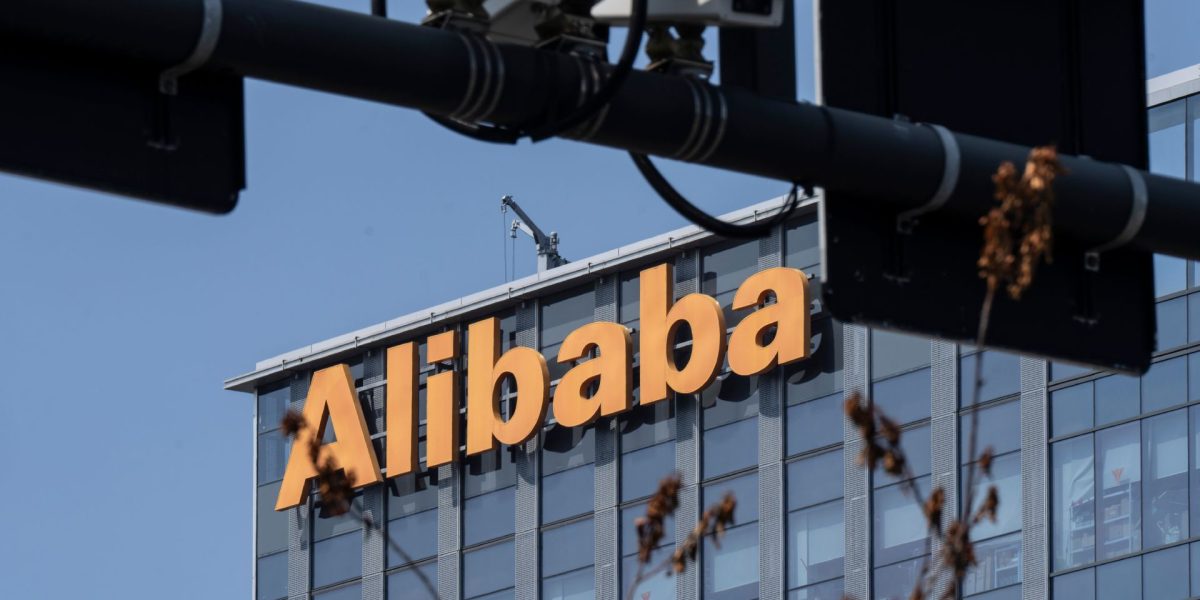
Alibaba has banned Anthropic’s Claude Code, a popular AI development tool, after discovering a hidden “China-detection” code allegedly intended to monitor and flag users based on their location. This move comes as the rift between Alibaba and Anthropic grows wider, following a similar ban by Microsoft earlier this year.
According to reports, Alibaba employees were told to switch to Qoder, another AI coding tool, by July 10. The alleged backdoor in Claude Code was reportedly discovered by security researchers who pointed out a suspicious code snippet that appeared to track users’ locations and flag those in China.
What’s Behind the Backdoor Allegations?
The news has raised eyebrows in the tech community, with many questioning how such a significant vulnerability could have gone unnoticed for so long. Anthropic has not publicly commented on the allegations, but it’s understood that the company is investigating the claims and will address the issue promptly.
Anthropic’s AI model, Claude, has gained significant traction among developers and businesses worldwide. Its capabilities in natural language processing and code generation make it an attractive tool for a range of tasks, from chatbots to software development. The alleged backdoor, however, raises significant concerns about the integrity and security of the tool.
What This Means for Users and Businesses
For Alibaba employees, the ban on Claude Code means a sudden change in their workflow and potentially a loss of productivity. For businesses relying on Claude Code, the ban raises concerns about the security of their data and the potential risks of using compromised tools. The incident highlights the importance of thoroughly vetting third-party tools and services to ensure they meet the necessary security standards.
The incident also underscores the growing tensions between Alibaba and Anthropic, which are unlikely to dissipate anytime soon. As the feud between the two tech giants continues, users and businesses will need to be vigilant in their tech choices, prioritizing security and transparency above all else.