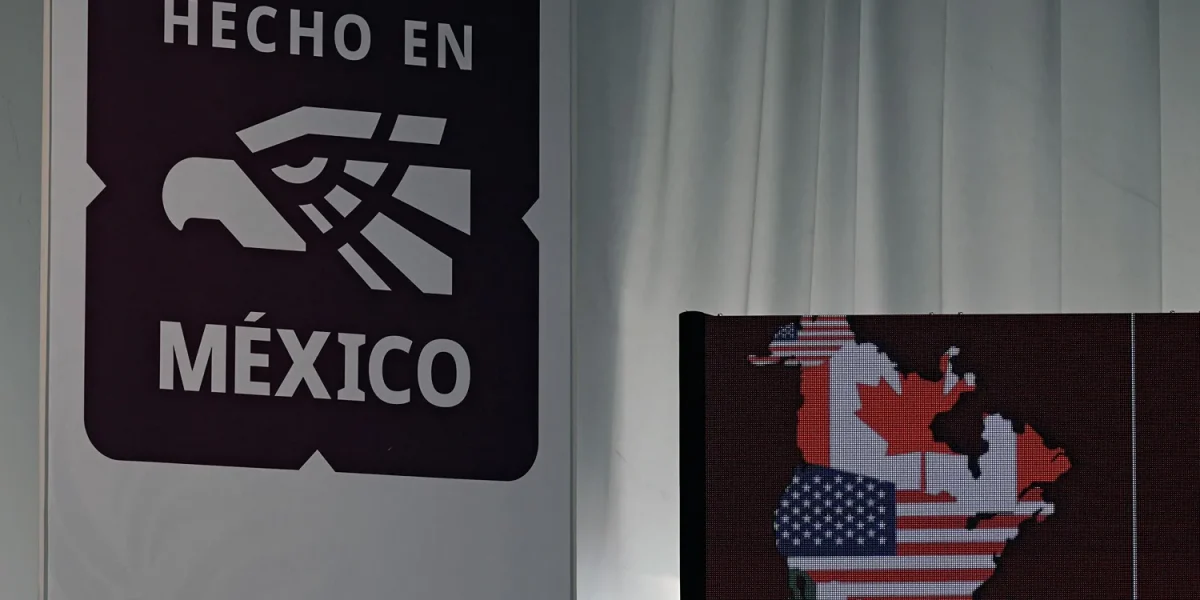
America’s largest trade deal is on shaky ground, and it’s not because of opposition from Congress or protests in the streets. The USMCA, or U.S.-Mexico-Canada Agreement, was once the brainchild of President Donald Trump, but now its fate hangs in the balance due to a lack of enforcement.
Annual Reviews, a Half-Hearted Fix
The White House has introduced a new strategy to save the deal: annual reviews to monitor the trade agreement’s progress. The idea behind this move is to curb the United States’ trade deficit with Mexico and Canada by identifying areas that aren’t living up to expectations. The reviews will be led by the U.S. Trade Representative, **Robert Lighthizer**, and will involve both countries working together to address issues and strengthen the agreement.
While the idea of regular check-ins sounds like a positive step forward, experts argue that this approach is too little, too late. The USMCA was signed in 2020, and since then, various issues have arisen that have weakened its impact. From tariffs to labor concerns, the agreement has failed to live up to its promise of a more balanced trade relationship.
Why the USMCA Matters
The USMCA affects more than just the economies of the three participating countries. It also has a significant impact on the global trade landscape. With a combined GDP of over **$22 trillion**, the United States, Mexico, and Canada are major players in international trade. If the USMCA falls apart, it could set a dangerous precedent for other trade agreements and create uncertainty for businesses and investors.
What this means is that American companies that rely on trade with Mexico and Canada are now facing an uncertain future. Without a strong and enforceable trade agreement, they may be forced to seek out new markets or increase their production costs to adapt to changing trade rules. This could have a ripple effect on the entire economy, making it more challenging for businesses to operate and for workers to find stable employment.
A Dead Deal Walking?
The USMCA’s fate is far from certain, and it’s likely that the agreement will continue to be a source of tension between the United States, Mexico, and Canada for the foreseeable future. While the annual reviews may provide a temporary reprieve, they won’t address the underlying issues that have weakened the agreement. As the trade landscape continues to shift and evolve, it’s possible that the USMCA may eventually become a relic of the past, a reminder of the challenges and complexities of international trade in the 21st century.