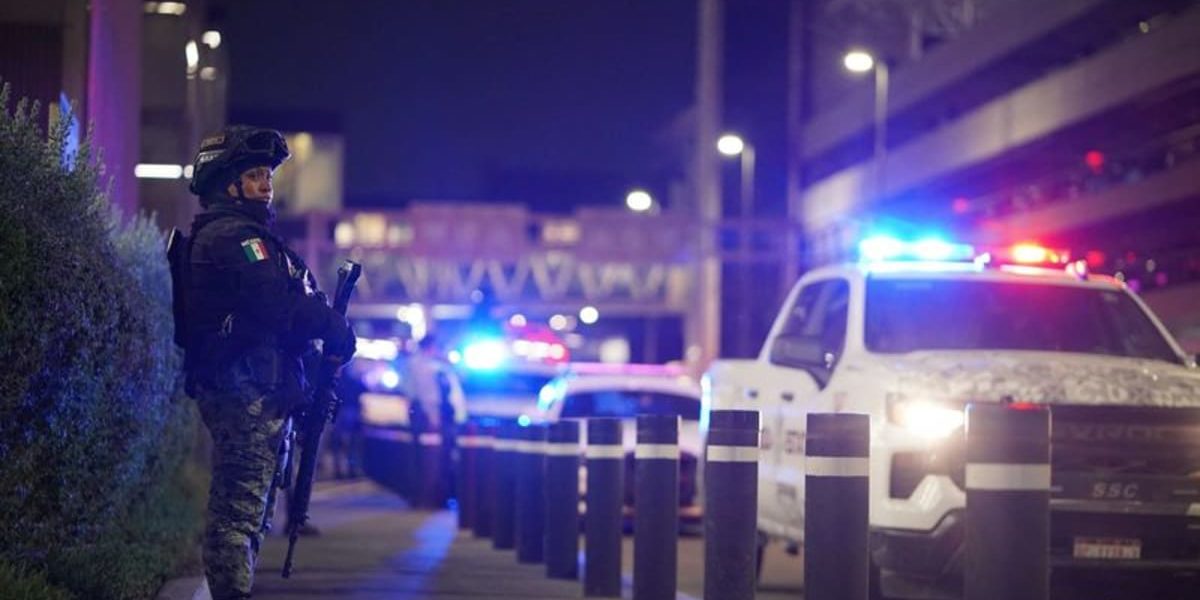
Ahead of the 2026 World Cup, AI-powered surveillance is being deployed on an unprecedented scale, blurring the lines between public and private space.
**Mass surveillance on the World Cup’s biggest stage**
AI-driven surveillance systems are being utilized extensively across the World Cup, transforming the event into a vast experimentation ground for facial recognition, crowd analytics, and real-time monitoring. The technology is already available in many stadiums, arenas, and public areas, with the aim of enhancing security, crowd control, and overall fan experience.
**Robot canines with cameras are patrolling in the US**
In an even more ominous development, robot dogs equipped with cameras are being deployed in Dallas and New Jersey for surveillance purposes. These robotic canines are designed to assist law enforcement agencies in monitoring public spaces, raising concerns about their potential misuse and the erosion of civil liberties. The use of AI-powered robots raises fundamental questions about accountability and transparency in surveillance efforts.
**Seattle’s mayor turns on expanded surveillance system**
In a telling move, Seattle’s mayor has expanded a major closed-circuit television system, giving the city’s authorities greater access to the city’s public spaces. This move reflects the trend of increasingly sophisticated surveillance technologies being used to monitor and control urban populations. The mayor’s decision underscores the growing acceptance of mass surveillance as a necessary tool for maintaining public order and security.
**What this means**
The World Cup is a proving ground for the latest surveillance technologies, showcasing the ways in which AI can be used to monitor and control large crowds. As these technologies become more pervasive, we risk losing our ability to maintain our right to privacy, particularly in public spaces. As surveillance technology advances, citizens must remain vigilant in protecting their right to anonymity and free movement in public spaces.