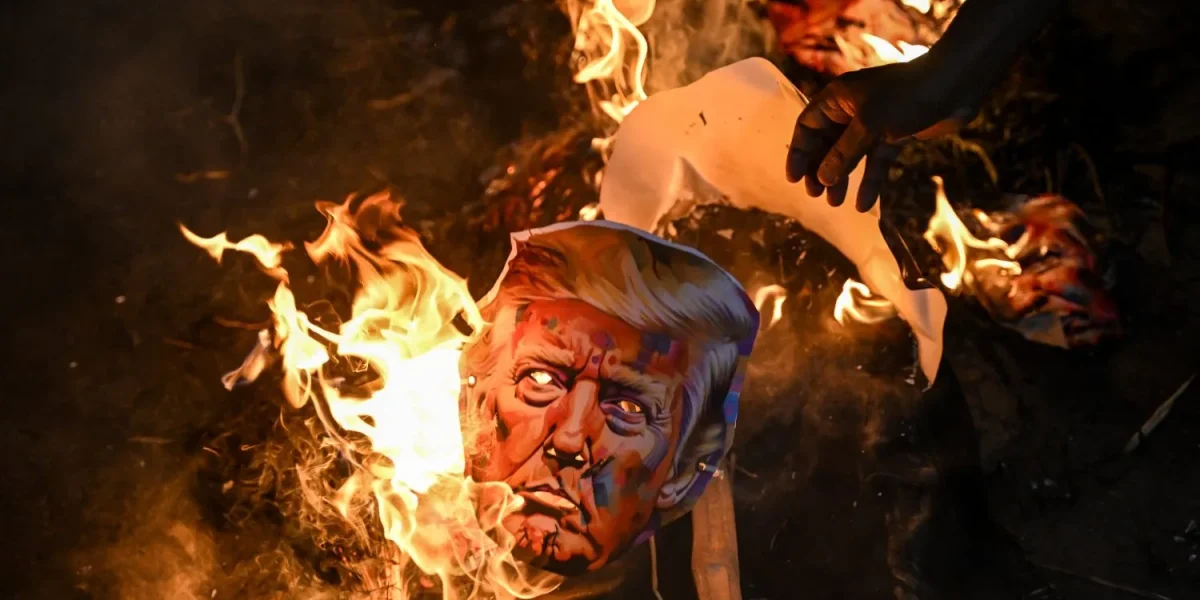
India’s Anxiety Over Trump is Misplaced
India’s leaders are freaking out over a U.S. presidential candidate, but the country’s own diplomatic strategy should be the real focus.
India has been in a panic over Donald Trump’s presidential campaign, with many viewing him as unpredictable and hostile to India’s interests. However, this reaction is largely driven by emotions and a misunderstanding of the strategic dynamics at play. The U.S.-India relationship has been strengthening over the past few years, with the two countries cooperating on defense, trade, and counter-terrorism issues.
This cooperation is rooted in India’s growing economic importance and its strategic location in the Indo-Pacific region, a critical area of interest for the United States. By engaging with India, the U.S. aims to counterbalance China’s influence and support India’s emergence as a major power.
This is not a partisan issue, nor is it a reflection of any personal animosity between Trump and the Indian government. Instead, it’s a calculated move by the U.S. to bolster its position in a region that’s increasingly crucial for global trade and security.
What this means for India is that it should focus on building a strong strategic relationship with the U.S., rather than getting caught up in speculation about Trump’s policies. By doing so, India can secure benefits such as improved trade access, increased defense cooperation, and a stronger voice in regional affairs.
India’s Diplomatic Strategy Should be the Focus
India’s leaders would do well to take a step back and assess the country’s overall diplomatic strategy, rather than getting bogged down in emotions and speculation. This means engaging with the U.S. on a range of issues, from trade and investment to defense and security, while also maintaining good relations with other key partners like China and the European Union.
By adopting a more pragmatic approach, India can build a strong and sustainable relationship with the U.S. that benefits the country’s long-term interests. This is not a zero-sum game, where India’s gains come at the expense of another country’s losses. Instead, it’s a collaborative effort that can bring mutual benefits and help to promote regional stability.