Denver Primary Election Devolves into a Multimillion-Dollar Battle for the Soul of the Democratic Party
Heavy Spending and Negative Ads Swamp Denver Voters
A costly and acrimonious primary election is underway in Denver, with record-breaking spending and an unprecedented level of mudslinging dominating the airwaves and mailboxes of voters. The heated contest has left many residents feeling fatigued and disillusioned with the Democratic Party’s direction.
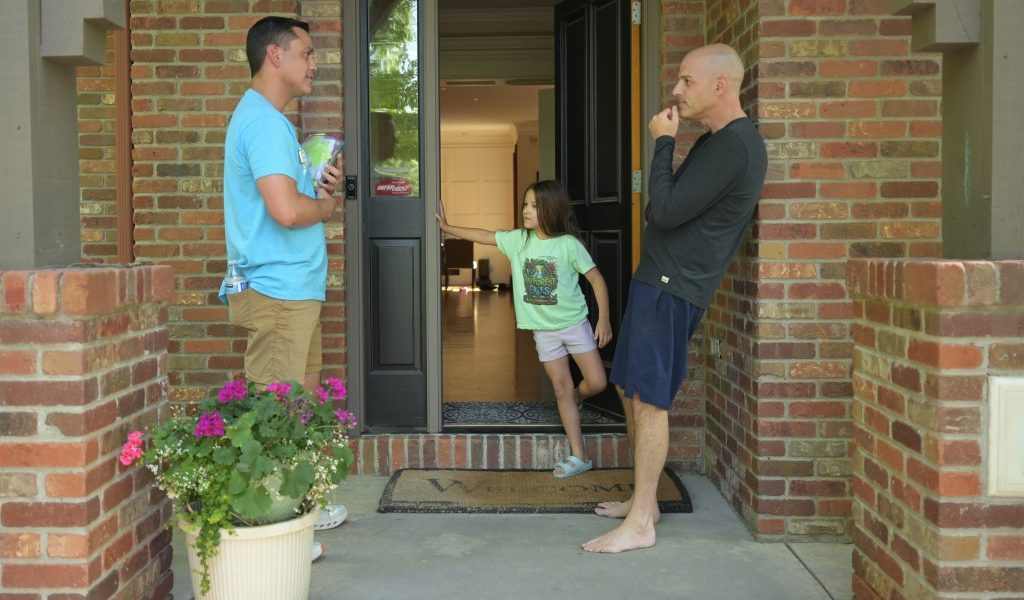
The battle for the party’s future is being fought on the streets of Denver, with candidates and their allies shelling out millions to win a spot on the November ballot. But amidst all the noise and negativity, many voters like **Zach Robertson** are left wondering if this is what democracy has come to.
Robertson, a resident of Denver’s Uptown neighborhood, laments the impact of the spending on the democratic process. “I’m probably going to vote no matter what,” he said. “But (the spending) has me more cynical. This campaign has just become about the money.”
The contrast with past elections is stark. In 1986, when **Donna Smith** ran against **Bill Owens** for an Arapahoe County state House seat, she managed to keep her campaign costs low by distributing just two mailers and a handful of signs. Add in some door-to-door canvassing, and that was pretty much it.
What This Means: Voters Reclaiming Power
The Denver primary serves as a reminder that voters are tired of the status quo and want to reclaim control of their democracy. The massive spending and divisive rhetoric may have dominated this cycle, but if history is any guide, voters will ultimately reject the most egregious examples of negative campaigning and opt for a more grassroots, issue-based approach.
As the dust settles in Denver, voters will have an opportunity to send a clear message to the Democratic Party: it’s time to move beyond the scorched-earth politics of the past and prioritize the needs and concerns of everyday citizens.