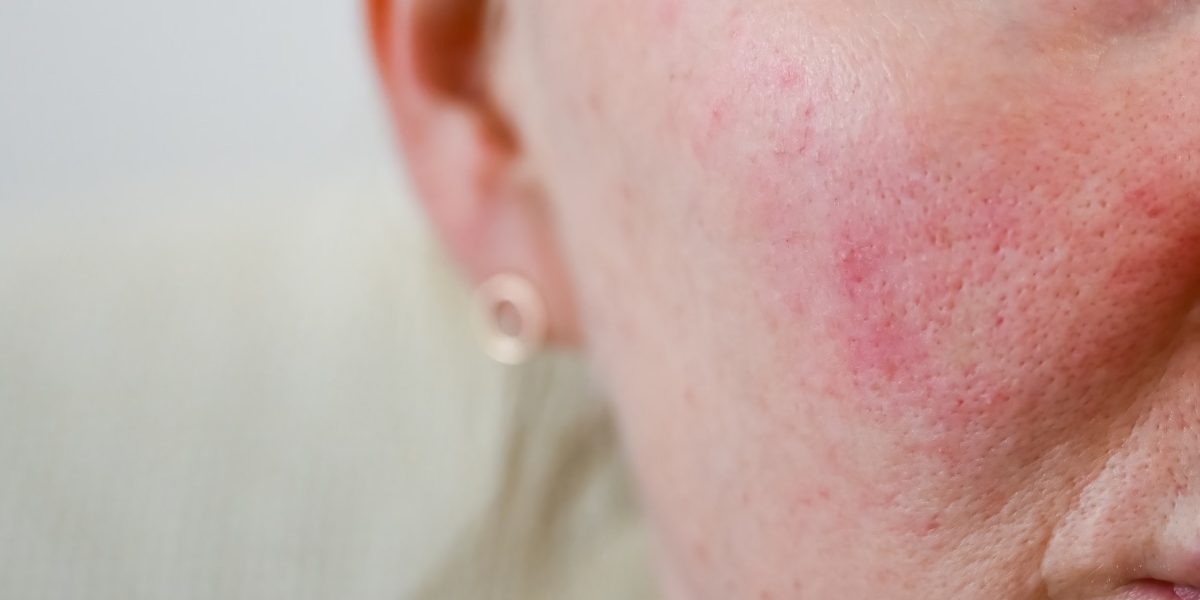
A new approach to treating rosacea has been revealed by dermatologists, with personalized recommendations based on individual symptoms.
An AI-Powered Diagnostic Tool Takes the Guesswork Out of Rosacea Treatment
Dermatologists have traditionally relied on trial and error when treating rosacea, with patients often receiving a one-size-fits-all approach to managing the condition. However, a new AI-powered diagnostic tool is changing the game by providing personalized recommendations for rosacea treatment based on individual symptoms. Developed by a team of researchers, the tool uses machine learning algorithms to analyze patient data and provide tailored advice for managing the condition.
Using AI to Identify the Best Treatment for Your Rosacea Symptoms
The AI-powered diagnostic tool assesses patients based on their specific symptoms, including the severity of redness, inflammation, and flushing. By analyzing this data, the tool provides recommendations for treatment, including the most effective topical creams, oral medications, and lifestyle changes. For example, patients who experience intense redness may be advised to use a specific topical cream containing metronidazole, while those who experience flushing may be recommended to try a stress-reducing technique such as meditation.
This AI-driven approach to rosacea treatment has the potential to revolutionize the way we manage the condition, providing patients with more effective and targeted treatments. By taking into account individual symptoms and needs, patients can finally find relief from the debilitating symptoms of rosacea.
What This Means for Patients
For patients, this means no longer having to try a range of treatments without knowing which one will work best for their specific symptoms. With the AI-powered diagnostic tool, patients can finally find the most effective treatment plan for their rosacea, tailored to their unique needs. This can lead to improved symptoms management, reduced frustration and anxiety, and a better overall quality of life.