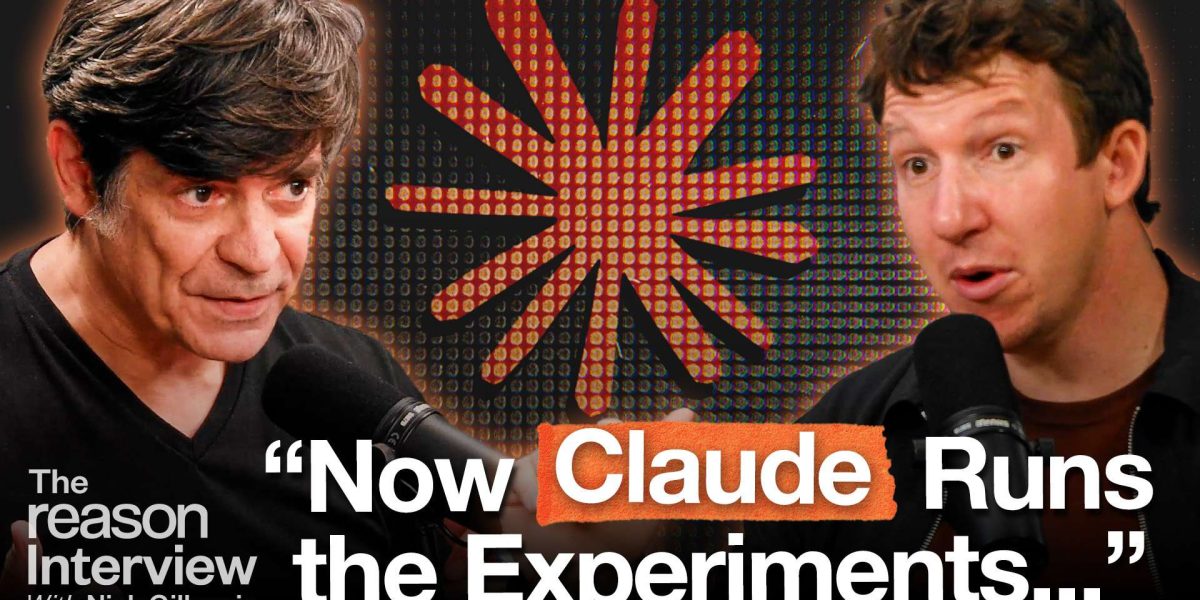
Anthropic’s Jack Clark: ‘The Most Powerful Technology Ever Built’
The stakes are high in the world of artificial intelligence, and Anthropic’s Jack Clark isn’t sugarcoating it. ‘The most powerful technology ever built’ is how he describes AI, with its potential to reshape the economy and push the boundaries of human knowledge.
Regulatory Fights and Recursive Self-Improvement
Anthropic, the company behind the AI model Claude, has found itself at the forefront of regulatory debates surrounding AI. Clark acknowledges that regulatory bodies like the US Federal Trade Commission are starting to take notice. ‘They’re trying to figure out what kind of rules should be in place to govern this space,’ he says.
But it’s not just about regulatory fights – Clark also talks about the possibility of recursive self-improvement, a concept where an AI system can improve itself without human intervention. This could lead to exponential growth in AI capabilities, but it’s also a concern for those who worry about losing control over these powerful machines.
Reshaping the Economy
According to Clark, AI could reshape the economy in profound ways. ‘There’s a lot of potential for AI to augment human capabilities,’ he says. ‘But there’s also a risk that some people could be left behind as automation increases.’ This is a classic problem of technological disruption, where new technologies displace old ones and create new opportunities – and challenges – for workers.
The key, Clark argues, is to ensure that the benefits of AI are shared across society. This could involve measures like basic income guarantees or retraining programs for workers who lose their jobs due to automation. ‘We need to be thinking about how to make sure everyone benefits from this technology,’ he says.
What This Means
In practical terms, this means that policymakers, business leaders, and individuals need to start thinking seriously about the implications of AI. This includes developing new regulations, investing in education and retraining programs, and exploring new economic models that can ensure everyone benefits from this technology.
Ultimately, the future of AI will be shaped by our collective choices. As Clark points out, ‘this is a moment of choice for humanity.’ Will we harness AI to create a better future for all, or will we let it slip through our fingers? The answer will depend on how we choose to shape this technology, and what we’re willing to do to ensure its benefits are shared widely.