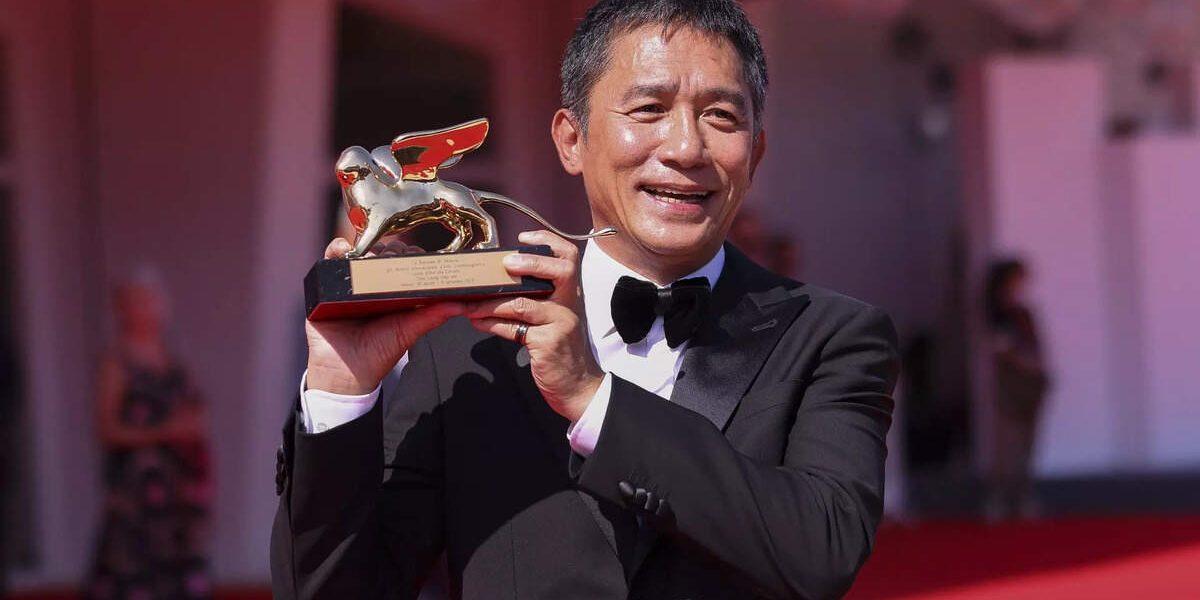
Tony Leung Slams AI’s Threat to Cinema
Hong Kong superstar Tony Leung Chiu-wai, famous for his roles in Crouching Tiger, Hidden Dragon and Infernal Affairs, has come down hard on the use of AI in filmmaking, calling it a “double-edged sword” that risks eroding the soul of cinema.
Leung’s concerns are rooted in the potential job losses and shift towards more commercial, popcorn-driven movies that prioritize spectacle over substance. This worrying trend, he believes, is partly fueled by the decline of big-screen viewing, as audiences increasingly turn to streaming services and mobile devices.
“There’s no soul” in these new types of movies, Leung lamented, suggesting that the focus on AI-generated content has led to a loss of human touch. This shift is not just about technology, but also about the way we consume and interact with movies. The Hong Kong superstar prefers the physical experience of watching a film in a theater, where the communal atmosphere and sensory details come alive in a way that’s harder to replicate at home.
A Double-Edged Sword for Cinema
The impact of AI on filmmaking is multifaceted and complex. On one hand, AI-powered tools can streamline the post-production process, automate tedious tasks, and help directors refine their vision. However, as Leung highlights, these same technologies also risk displacing human workers, including editors, visual effects artists, and even actors.
What this means for audiences is a potential loss of creative diversity and authenticity. When AI-generated content dominates, the focus shifts from storytelling and character development to spectacle and crowd-pleasing formulas. This might lead to a sea of generic, formulaic movies that lack the nuance and emotional resonance of human-created films.
The Future of Cinema is at Stake
Leung’s comments serve as a warning for the film industry, highlighting the need for a nuanced approach to AI integration. While technology can enhance the filmmaking process, it must not come at the expense of human creativity and emotional depth. The future of cinema depends on striking a balance between innovation and tradition, ensuring that the art form remains a vibrant reflection of our shared humanity.
As the industry navigates this complex landscape, Leung’s words offer a cautionary tale about the potential costs of unchecked technological progress. By prioritizing human connection and artistic expression, filmmakers can create movies that truly touch our hearts and minds – movies that leave a lasting impact long after the credits roll.