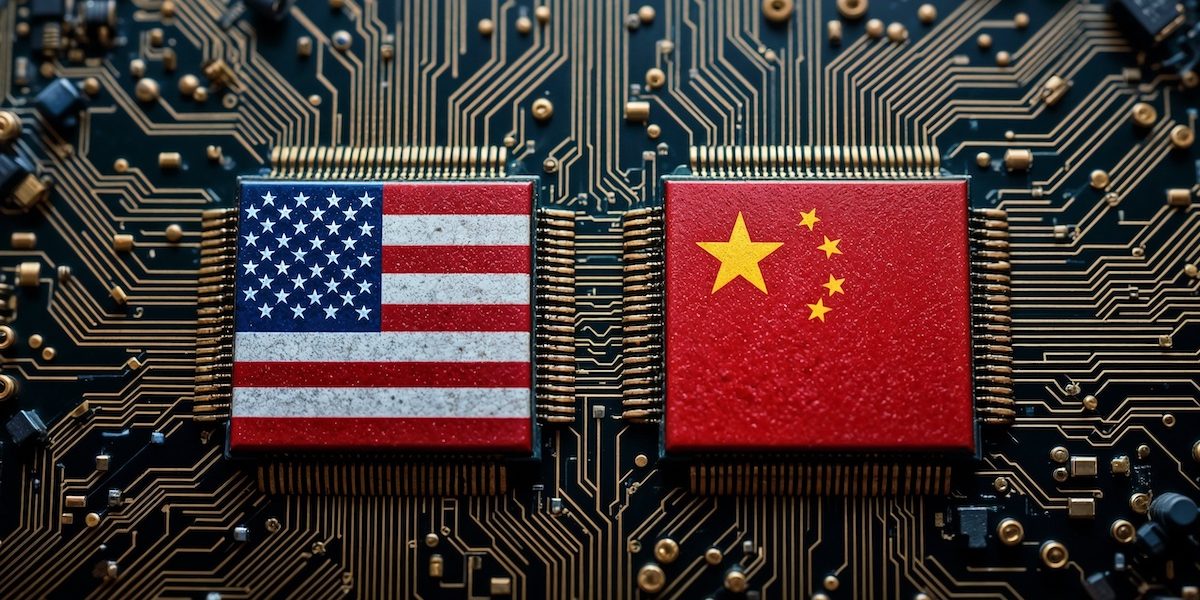
As companies struggle to foot the bill for pricey AI models, Chinese alternatives are gaining traction, threatening to disrupt the market dominance of big-name labs like OpenAI and Anthropic.
A recent report by the Financial Times suggests that enterprises are on the hunt for cheaper AI solutions, prompting a shift away from expensive models developed by top-tier research institutions. This trend could have significant implications for the growth and profitability of AI powerhouses, which have come to rely on high-paying customers to fund their research and development.
AI costs have spiraled out of control in recent years, with some large language models requiring tens of millions of dollars to train and deploy. This expense has made AI inaccessible to many small and medium-sized businesses, prompting them to seek more affordable alternatives.
Enter Chinese AI labs, which have been quietly building a reputation for delivering high-quality AI models at a fraction of the cost. These labs have leveraged their expertise in areas like natural language processing and computer vision to develop AI solutions that are both effective and affordable.
**What’s driving the surge in Chinese AI adoption?**
Chinese AI labs have benefited from a combination of factors, including government support, access to vast amounts of data, and a focus on applied research. These labs have been able to develop AI models that are tailored to specific business needs, eliminating the need for expensive customization.
**Who’s winning in the AI cost wars?**
Companies like Shanghai-based** Meili and Beijing-based** Baijiayun are among the Chinese AI labs that are gaining traction in the market. These labs have developed AI models that are competitive with those offered by OpenAI and Anthropic, but at a significantly lower cost.
What this means: As AI costs continue to spiral out of control, expect more companies to turn to Chinese AI labs for cheaper solutions. This could lead to a shake-up in the AI market, with dominant players forced to adapt to a new reality of affordability and competition.