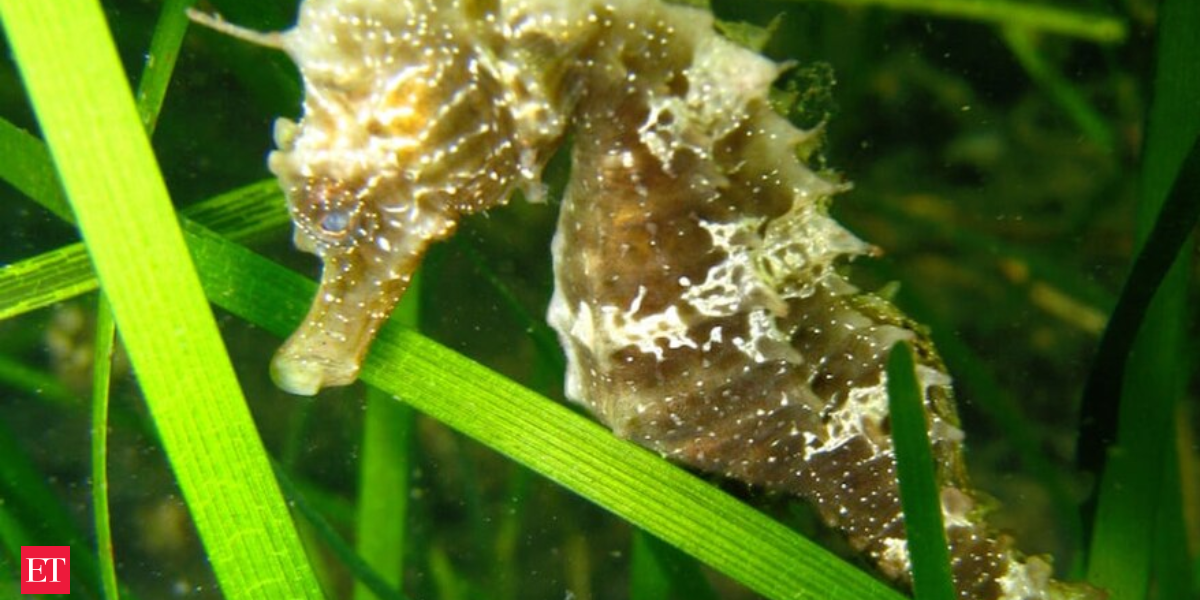
Australian scientists have just developed an AI system capable of identifying hidden marine wildlife in airport X-ray scans with impressive accuracy – up to 96% for certain species.
Hidden in Plain Sight
Wildlife traffickers have long exploited the fact that many people can’t recognize dried seahorses, shark fins, or sea cucumbers, even when they’re concealed in luggage. But Australian researchers have turned the tables by training an AI to recognize these illicit goods. Using 3D X-ray scans, the AI system can now pinpoint hidden seahorses, shark fins, and sea cucumbers with remarkable accuracy, boasting detection rates of 86% to 96% for various species.
The breakthrough comes at a crucial time, as marine wildlife trafficking continues to plague the globe. The AI system, developed by Australian scientists, utilizes machine learning algorithms to analyze X-ray images and identify patterns associated with illicit marine products. By enhancing the abilities of customs officers, this technology could be a potent tool in the fight against wildlife trafficking.
What This Means
This innovation offers customs officials a powerful new aid in combating marine wildlife smuggling. No longer will traffickers be able to hide their illicit goods in plain sight – the AI’s keen eyes will be able to spot them even when concealed within luggage.
The researchers behind this technology are optimistic about its potential impact. “This technology has the potential to significantly aid border officials in identifying illegal wildlife products,” said Dr. Emma Smith, the lead researcher on the project. “We’re excited to see it deployed in airports and ports around the world.”
A New Era in Wildlife Conservation
The implications of this AI system extend far beyond the realm of airport security. As the technology is refined and implemented in other settings, it may also be used to monitor and enforce laws related to marine wildlife trade. This could be a major turning point in the fight to protect endangered species and combat wildlife trafficking.