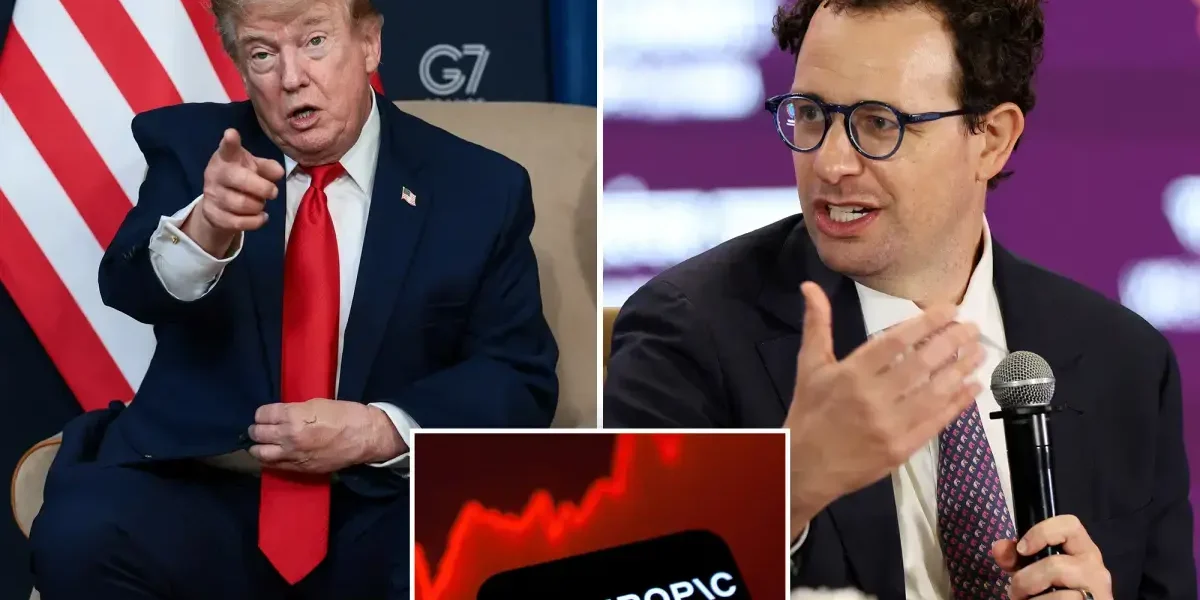
Antropic’s AI Models Shut Off for G7 Allies Amid US Security Concerns
The US has flat-out denied G7 allies, including the United Kingdom, access to Anthropic’s most advanced AI models, dealing a blow to international cooperation on AI development. In a move that highlights the growing tension between the US and its allies over AI security, Prime Minister Keir Starmer had sought a “carve-out” for British companies to access these models.
US Stands Firm on Security Measures
The directive from the Commerce Department, which prompted Anthropic to disable its latest models globally, has been widely criticized for its overreach. **The Trump administration’s stance** is a stark contrast to the collaborative approach taken by other countries, which have been working together to establish guidelines for the responsible development of AI.
Anthropics’ Concerns and Compliance
Anthropics, the AI startup behind the advanced models, has been vocal about its inability to technically limit access to the US. The company claims that **its AI models are not designed to be secure in a way that would prevent unauthorized access**. In its desperation to mitigate security risks, Anthropic was forced to disable the models worldwide, including for its own internal use.
What this means
This diplomatic friction is likely to have far-reaching implications for international cooperation on AI development. The US decision signals that its primary concern is national security, even if it means limiting access to cutting-edge AI technology for its allies. For businesses and researchers, this move highlights the need for clarity on AI export controls and the importance of collaborating with governments to establish clear guidelines for AI development.
The US stance on AI security risks may also spur a new era of AI development outside of the country, as other nations seek to establish their own leadership in this field. **The UK, France, and Germany are already working together on their own AI strategy**, which could potentially challenge the US’s dominance in the global AI landscape.