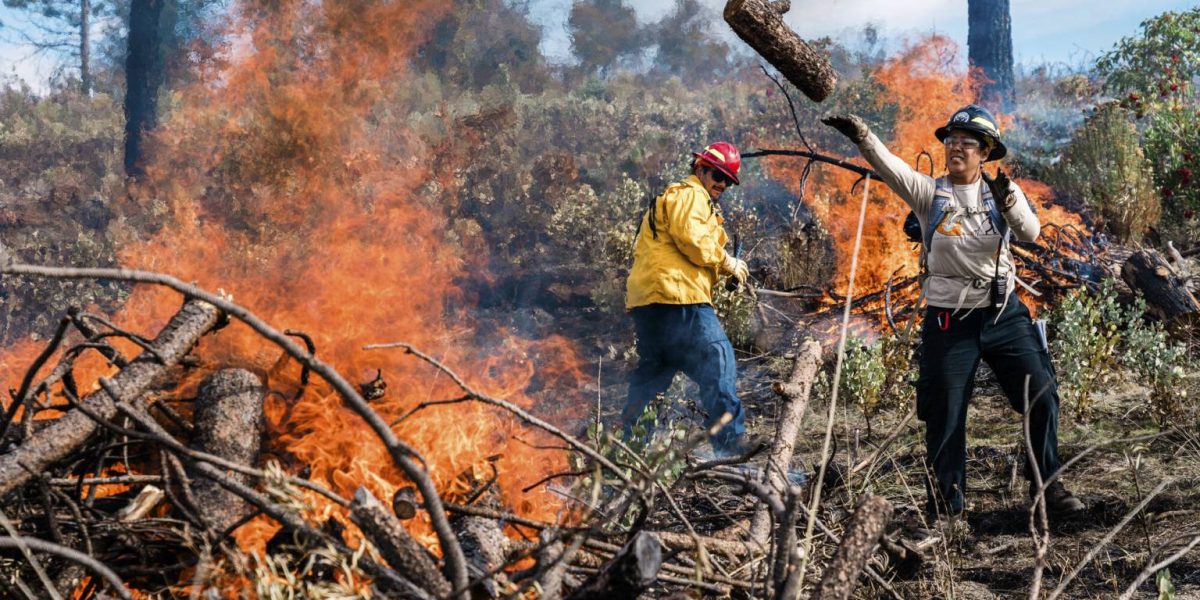
A new study published in the journal Environmental Research Letters suggests that controlled burns in California could significantly reduce air pollution, but at what cost?
California struggles with severe air pollution, particularly during wildfires, which can choke cities with hazardous smoke and particulate matter. Wildfires are often unpredictable and uncontrollable, making prescribed burns – a controlled, low-severity fire – an attractive solution. Researchers in this study explored the potential benefits of annual prescribed burns.
Prescribed Burning: The Science
The study found that, over a 20-year period, widespread prescribed burns in California could lead to a 22% reduction in smoke pollution. The approach aims to clear flammable vegetation, reducing the risk of devastating wildfires and subsequent air pollution crises. However, prescribed burns produce their own smoke, which can be a significant concern. This smoke, though less hazardous than wildfire emissions, still poses risks to public health.
Trade-Offs and Challenges
Researchers warn that prescribed burns come with trade-offs. The fires can create new smoke pollution, and the increased frequency of burns may lead to unintended consequences, such as soil degradation and changes to local ecosystems. Additionally, prescribed burns require significant resources, including skilled personnel, aircraft, and equipment.
A Complex Solution to a Complex Problem
The study’s findings highlight the complexities of addressing California’s air pollution issue. While prescribed burns may offer some benefits, they also introduce new challenges. What this means is that policymakers and land managers must weigh the potential advantages against the costs and risks. A nuanced approach, taking into account local conditions and community needs, will be crucial in implementing prescribed burns as a smoke-reduction strategy.
In the face of California’s air pollution crisis, prescribed burns promise a partial solution. However, the decision to implement them should be informed by a thorough understanding of their limitations and potential consequences. As the study’s authors stress, this approach is not a one-size-fits-all solution and requires careful consideration of local factors.