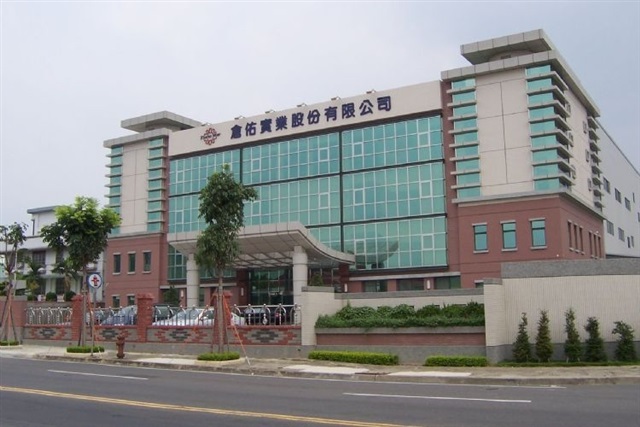
Tsang Yow, a major player in the drivetrain systems industry, is set to establish a new semiconductor manufacturing plant in Malaysia.
Regional Resilience
The move comes at a time when the global semiconductor market is shifting its focus to Southeast Asia, driven by concerns over supply chain disruptions and trade tensions. The COVID-19 pandemic and the US-China trade war have already forced many companies to reassess their production strategies, and Tsang Yow’s decision to invest in Malaysia is the latest manifestation of this trend.
Malaysia, with its highly skilled workforce and established manufacturing infrastructure, has become an attractive destination for companies looking to diversify their supply chains. By setting up a plant in the country, Tsang Yow aims to tap into this growing ecosystem and reduce its reliance on traditional production hubs in East Asia.
Tariff-Proof Supply Chains
The new plant will enable Tsang Yow to produce semiconductor components locally, allowing the company to bypass tariffs and other trade barriers that can significantly increase costs. As trade tensions between the US and China continue to escalate, having a regional presence will give Tsang Yow a strategic advantage in the market.
According to industry experts, this shift towards regional production is not just a response to immediate challenges but a long-term strategy to create more resilient supply chains. By spreading production across different regions, companies can better withstand disruptions and protect their supply chains from future risks.
What this means
For consumers, this development may not have an immediate impact, but it will contribute to a more stable and secure semiconductor supply chain. With Tsang Yow’s new plant in Malaysia, the company’s customers can expect fewer disruptions to their supply of critical components. In the long run, this regional shift will also lead to faster delivery times, improved quality control, and reduced costs.