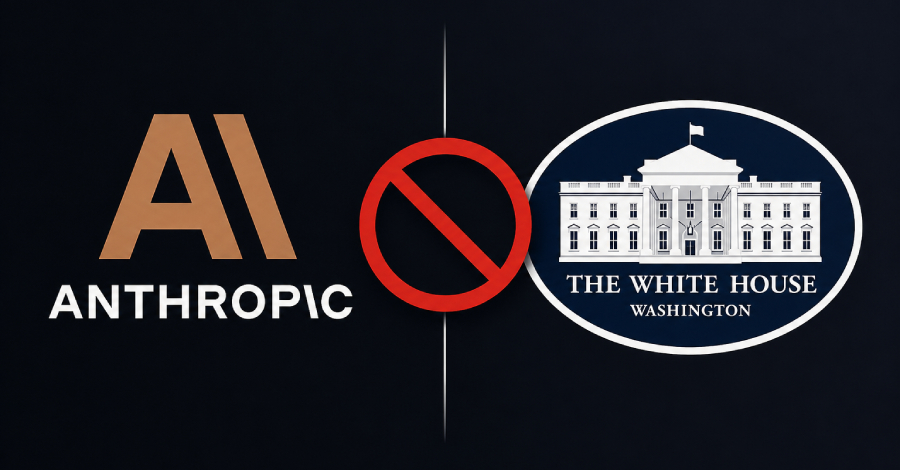
The U.S. government has effectively shut down access to Anthropic’s most advanced AI models, Claude Fable 5 and Mythos 5, for foreign nationals worldwide.
Anthropic, a leading AI research firm, announced on Friday that it would “abruptly disable” its top-tier AI models, citing a U.S. government order to suspend access to these models for foreign nationals, whether they’re inside or outside the U.S. This move has significant implications for researchers, businesses, and individuals who have been using these powerful tools.
The U.S. government has been increasingly scrutinizing the use of advanced AI models, particularly those with sensitive capabilities like natural language processing and large-scale reasoning. The order to suspend access to Claude Fable 5 and Mythos 5 is likely a response to concerns about the potential misuse of these models, which are capable of generating complex text and performing advanced reasoning tasks.
What this means for users is that they won’t be able to access these models, even if they’ve been using them for legitimate purposes like research or development. This suspension will also likely impact businesses that have been relying on these AI models for tasks like content generation, data analysis, and more.
The impact of this decision isn’t limited to users; it also raises questions about the balance between national security, scientific progress, and international cooperation. Anthropic’s decision to disable its AI models for all users, rather than just foreign nationals, suggests that the company is taking a proactive approach to comply with the U.S. government’s request.
As the AI landscape continues to evolve, we can expect to see more scrutiny and regulation surrounding the use of advanced AI models. The suspension of Claude Fable 5 and Mythos 5 access is a clear example of this trend, and it highlights the need for companies like Anthropic to balance innovation with caution and compliance.
The fate of these AI models remains uncertain, and it’s unclear when or if they’ll be made available again. One thing is certain, however: the intersection of AI, national security, and international cooperation will continue to be a complex and contentious issue in the years to come.