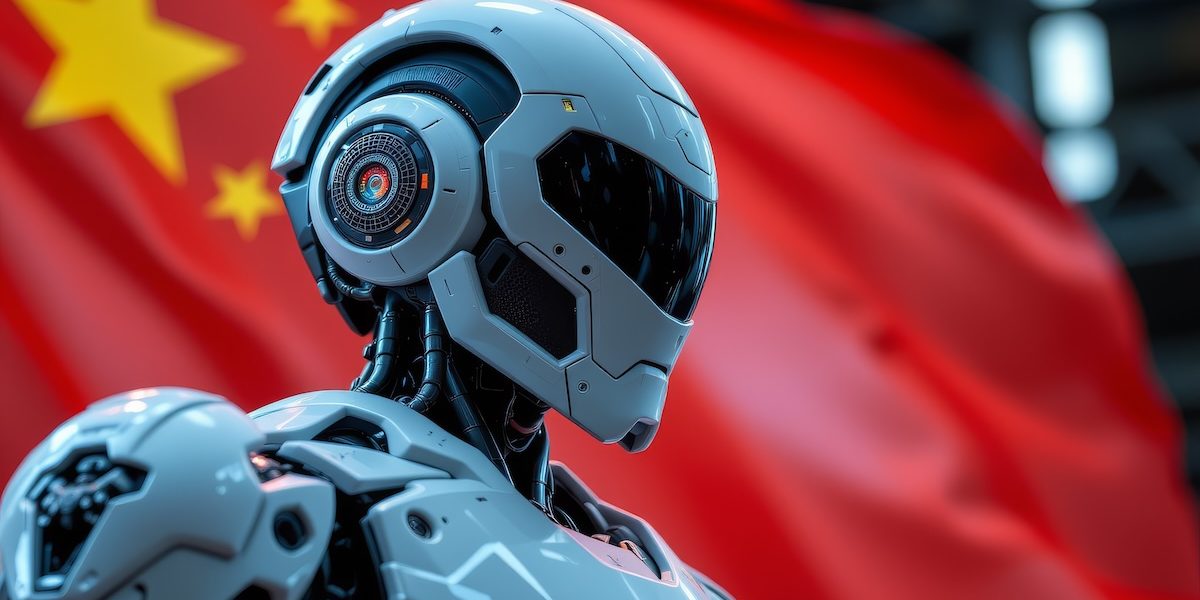
The US Federal Communications Commission (FCC) has just slapped a ban on imports of new foreign-made humanoid robots, with a specific focus on China. The move comes after concerns over cybersecurity and national security risks tied to advanced robots.
China’s Dominance in Robotics
China’s tech giant, BYD, has been at the forefront of humanoid robot development, with its robots serving in industries like manufacturing, healthcare, and even education. However, experts have raised fears about the potential for these robots to be used as spies or for malicious activities when connected to the internet. The FCC’s ban is a direct response to these concerns.
The agency specifically targeted humanoid robots and power inverters in its ban, citing the potential for these devices to be used in cyber attacks on US infrastructure. This move has been widely interpreted as a warning to China to curb its dominance in the robotics market.
The ban also sends a clear signal to other countries that the US will not tolerate national security risks from foreign-made robots. This decision could impact other countries’ robotics industries, particularly those in China, Japan, and South Korea.
What This Means
The US ban on foreign-made humanoid robots will likely create a huge market opportunity for US-based robotics startups and companies. The ban will also accelerate the growth of the domestic robotics industry, as US companies focus on developing their own humanoid robots.
For consumers, this may not have an immediate impact, but it signals a shift towards greater scrutiny of foreign-made products in the US. As national security concerns continue to grow, it’s likely that the US will take a more protective stance towards its technology and infrastructure.
Industry Response
The ban has sparked an immediate response from industry experts, with many praising the FCC’s decision to prioritize national security. However, some experts have raised concerns that the ban may stifle innovation in the robotics sector, particularly in areas like healthcare and education.
As the US robotics industry begins to adapt to this new reality, one thing is clear: the ban on foreign-made humanoid robots is a significant shift in the global tech landscape. Its impact will be felt far beyond the robotics industry itself, with implications for national security, trade, and innovation.