Japan Sees Spike in Bear Attacks
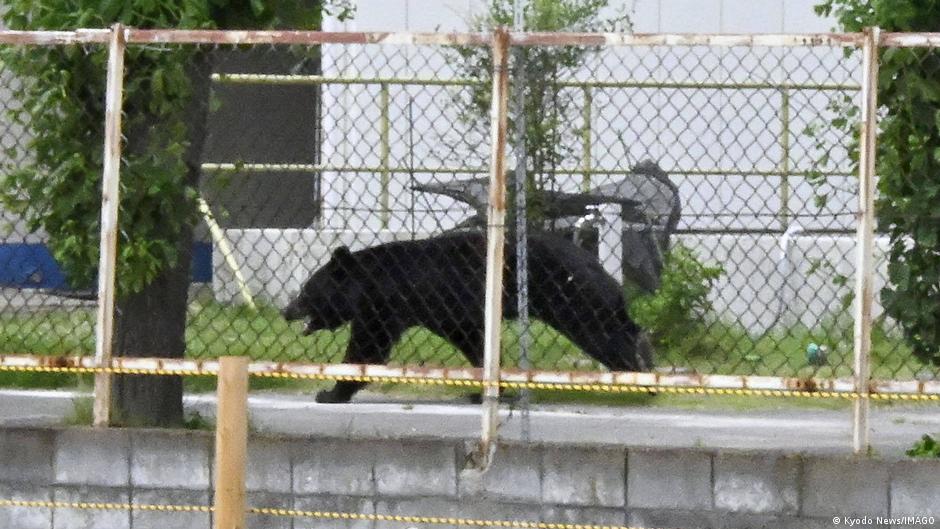
Hunters are vanishing in Japan, a trend that’s sending bears beyond their natural habitats in search of food – and increasing the risk of attacks on humans.
Japan’s bear population is growing, with the country’s wildlife authorities counting over 12,000 brown bears in the country’s northern regions, a 10% increase from just a few years ago. The numbers are a sign of the bears’ adaptability and their readiness to venture further out in search of food.
The shift is largely attributed to the decline in hunting licenses, which have dropped by 60% over the past decade. The reduction has created an imbalance, where the bears are no longer afraid to encroach upon human territory in search of sustenance. As a result, encounters between humans and bears are on the rise.
Experts warn that the situation could worsen if measures are not taken to address the issue. “The bears are becoming bolder and more aggressive due to a lack of fear,” said Masayuki Nakao, a wildlife expert at the University of Tokyo. “If we don’t take action, the consequences could be dire.”
A recent study published by the Japanese Ministry of the Environment found that bear attacks have increased by 30% in the past five years. While most attacks are not fatal, they can still cause serious injuries, as in the case of Jeff Kingston, an American expatriate who was attacked by a bear while hiking in central Japan. Kingston credits his dogs for saving his life, but the experience left him with lasting scars.
What this means
For hikers and outdoor enthusiasts, the increase in bear attacks is a serious concern. It’s essential to exercise caution and follow guidelines when venturing into bear country. This may include carrying bear spray, making noise while hiking to avoid startling the bears, and staying on marked trails.