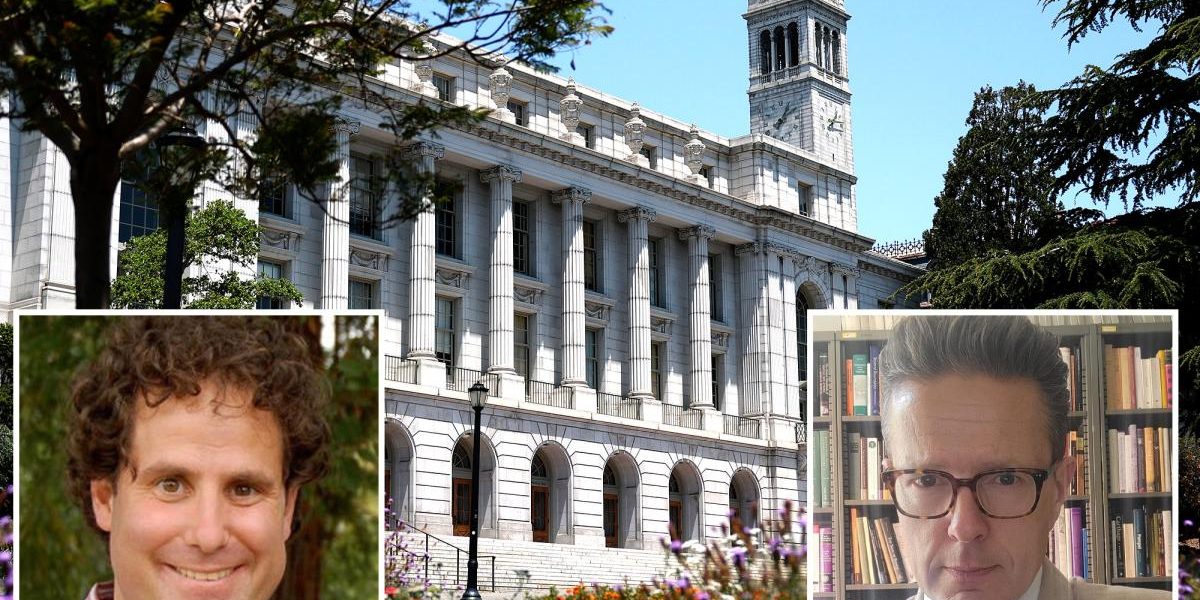
At the University of California, Berkeley, some humanities professors are hitting pause on their curriculum. The reason: students are struggling to read.
Sources close to the matter tell us that the university’s top professors are radically altering their coursework, assigning fewer pages and replacing full books with excerpts. This shift in approach comes as students increasingly rely on artificial intelligence tools to summarize texts, rather than engaging directly with the material.
Over-reliance on AI
Some professors are concerned that students are losing the ability to critically analyze and understand complex texts. They worry that, as AI tools become more sophisticated, students are using them as a crutch, rather than developing their own critical thinking skills.
AI tools like Summize have made it easier than ever to quickly summarize long texts. However, these tools often rely on machine learning algorithms to identify key points and generate a summary. While useful for quickly getting a sense of a text, AI tools can’t replicate the nuance and depth of human analysis.
The Consequences
The shift away from traditional reading assignments has some professors worried about the long-term effects on students’ academic abilities. “We’re not just teaching students how to read,” says humanities professor, Dr. Emily Chen . “We’re teaching them how to think critically and develop their own voices.”
If students are relying too heavily on AI tools, they may struggle to develop these skills. As a result, they may be less prepared for the demands of higher education, professional life, and the complexities of the world around them.
What this means
The University of California, Berkeley’s shift in approach serves as a warning to educators and policymakers: we need to rethink how we teach reading and critical thinking skills in the age of AI. By assigning fewer pages and replacing full books with excerpts, professors are essentially saying that students can’t handle the demands of traditional reading assignments. But what does this say about the state of education, and where do we go from here?