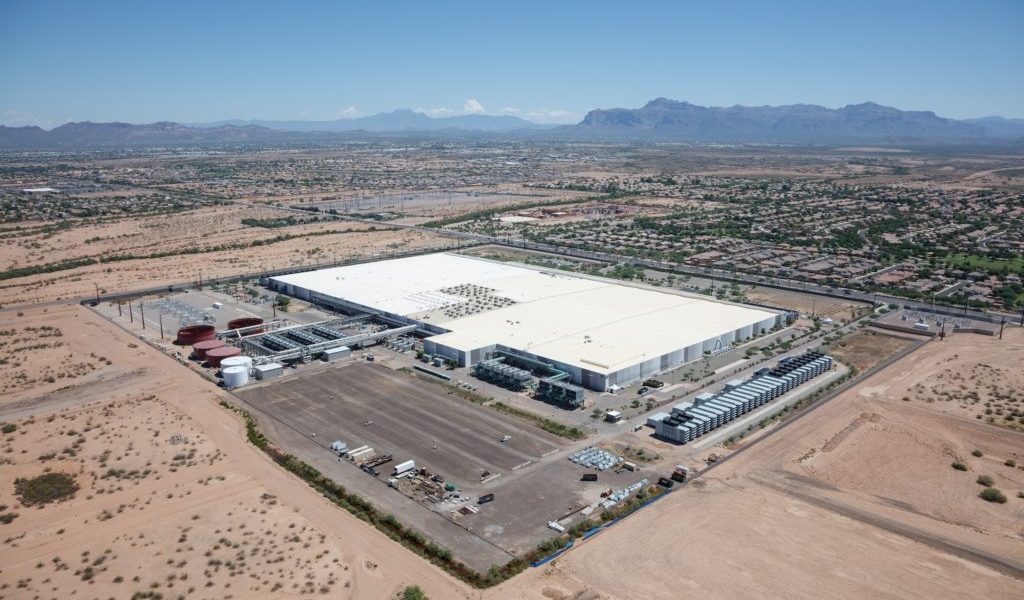
America’s rural heartland is facing a new kind of economic boom – and a growing backlash against it. Dozens of large data centers powered by AI are sprouting up across the country, each one a massive, energy-hungry operation that’s sucking down thousands of gallons of water a day.
New Water Worries
The city of Caldwell, Idaho, is one of the latest to get in on the data center craze, with a proposed facility that would consume up to 1.4 million gallons of water per day. That’s enough to meet the daily needs of over 2,000 households, all for a handful of giant machines that are essentially supercomputers on steroids.
The water worries in Caldwell are just part of a larger trend. In towns across America, data center developers are quietly buying up land, often in areas with low property values and limited local regulations. It’s a classic tale of ‘siting by stealth,’ says David Morris, a veteran community organizer in rural Oregon.
Morris has been sounding the alarm about data center threats to local water supplies for years. He points to the example of the small town of Boardman, Oregon, where a data center built on the 400-acre site of a former golf course has already drained millions of gallons of water from the local aquifer.
Powering the AI Revolution
Data centers are the workhorses of the AI revolution, providing the immense computing power and storage required to train and deploy AI models. They’re also notoriously power-hungry, with some facilities consuming enough electricity to power entire towns.
As the AI industry grows, so too are the data centers that fuel it. Some estimates suggest that the number of data centers worldwide will double in the next five years, placing even greater pressure on local resources.
What This Means
For communities like Caldwell, Idaho, the choice is clear: do you trade off local water supplies for the promise of new jobs and economic growth? Or do you fight to protect your community’s resources, even if it means missing out on the AI boom?
Either way, the stakes are high. As AI continues to reshape the digital landscape, it’s time for communities to weigh the costs and benefits of this revolutionary technology. Is the AI revolution worth the price of their water? That’s a question only they can answer.