Reports are emerging that a mysterious force, allegedly linked to Chinese interests, is fueling local opposition to data centers across the United States. The claims come from a group of tech millionaires who say they have witnessed a coordinated effort to block the construction of these infrastructure projects.
The Theory Behind the Opposition
According to insiders, the wealthy individuals have been discussing the supposed Chinese connection in private meetings and online forums. However, when questioned about the allegations, they have failed to provide concrete evidence to support their claims. Some of these individuals include **Peter Thiel**, a co-founder of PayPal, and other influential tech entrepreneurs.
The apparent connection to China is thought to be motivated by concerns about the country’s growing influence in the tech sector. Data centers, which house enormous amounts of data for cloud computing services, are seen as vital infrastructure for the digital economy. By opposing their construction, some speculate that China may be attempting to limit the growth of U.S. tech companies and hinder their global competitiveness.
A Pattern of Local Opposition
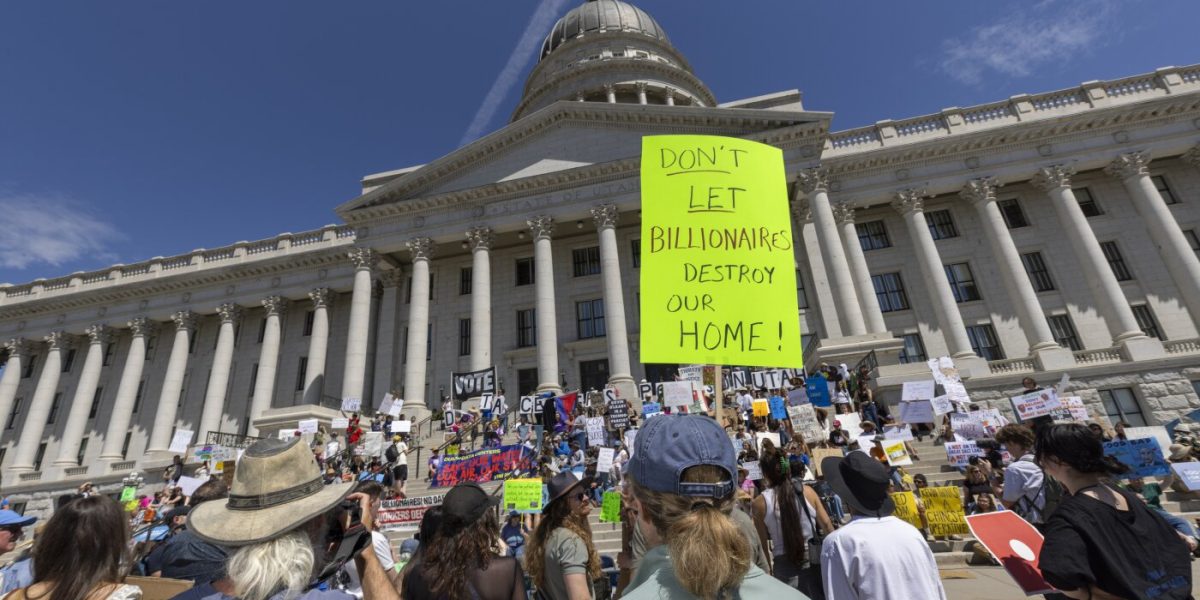
Lately, there have been a number of instances where local communities have resisted the construction of data centers. Some have cited concerns about pollution, noise, and property values, while others have spoken out against the potential impact on local wildlife. However, the opposition often seems to be well-organized and coordinated, leading some to believe that external forces are at play.
Interior Secretary Doug Burgum recently expressed his concerns about the trend, stating that it’s affecting the country’s ability to “harness American power.” He believes that the opposition is not only damaging the economy but also undermining the U.S. leadership in the tech industry.
What this means
While the claims about China’s alleged involvement in local opposition to data centers are still unsubstantiated, they serve as a reminder of the complex geopolitics surrounding the tech sector. The issue highlights the need for a more nuanced understanding of the factors driving resistance to data center projects and the potential implications for the U.S. economy and global influence.