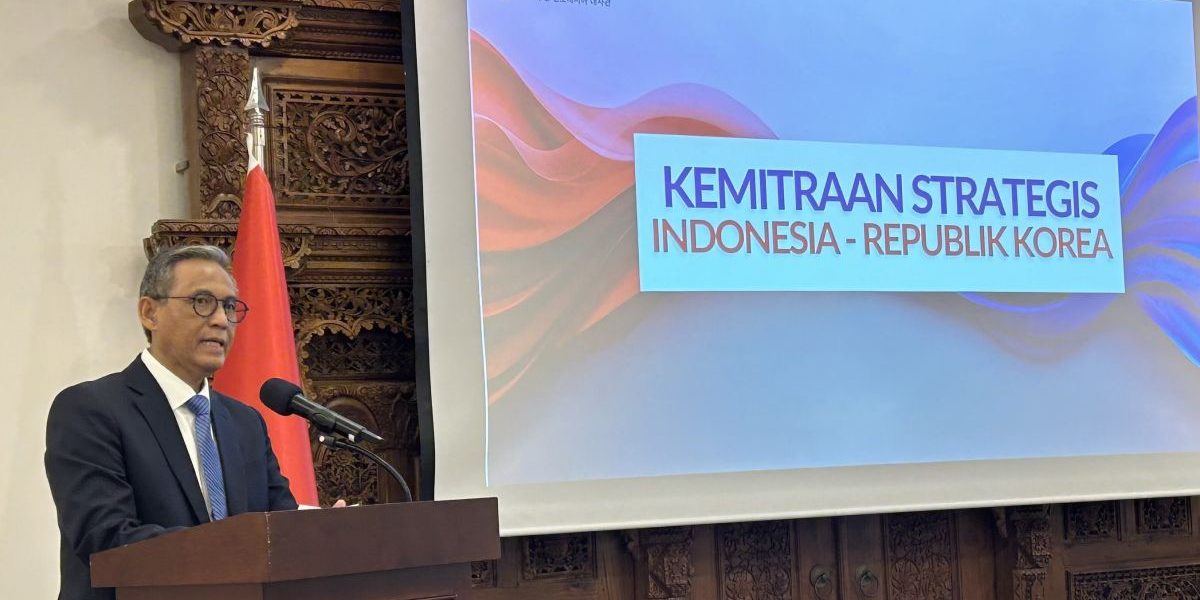
Indonesia and South Korea are deepening their partnership, and the anchor points for this cooperation are clear: energy, AI, advanced tech, and workforce development.
Energy at the Forefront
Energy is high on the agenda, given both countries’ ambitions to transition to cleaner and more sustainable power sources. Indonesia, for instance, is keen to ramp up its use of renewable energy to meet growing electricity demands, while South Korea has set a goal of achieving carbon neutrality by 2050. They’ll likely collaborate on areas like offshore wind power development, hydrogen fuel cells, and energy storage.
AI to Unlock New Industries
Artificial intelligence (AI) is set to play a transformative role in the bilateral partnership. Experts say both nations could benefit from AI-driven innovation in sectors like manufacturing, healthcare, and agriculture. By pooling their resources and expertise, they can accelerate AI adoption and develop new industries.
Workforce Development and Advanced Technology
Human resource development and advanced technology will be crucial in driving this cooperation forward. Indonesia’s government has set a target to increase the number of skilled workers in tech and AI fields by 2028. South Korea, meanwhile, is known for its world-class universities and research institutions. By working together, they can develop a pipeline of talented tech professionals and drive innovation in areas like 5G, robotics, and cybersecurity.
The Indonesian ambassador to South Korea, Tri Tharrini, highlighted the significance of these areas in a recent statement. “Energy, AI, advanced technology, and human resource development are the key pillars that will underpin our bilateral cooperation,” she said. This emphasis on concrete, high-tech areas of collaboration signals that the Indonesia-South Korea partnership is shifting into high gear.
What this means for real people: As energy and AI become increasingly intertwined, expect to see new technologies and applications emerge that can drive economic growth and improve lives in both countries. The focus on workforce development is also encouraging, as it can help create a more skilled and adaptable workforce that can meet the demands of a rapidly changing tech landscape.