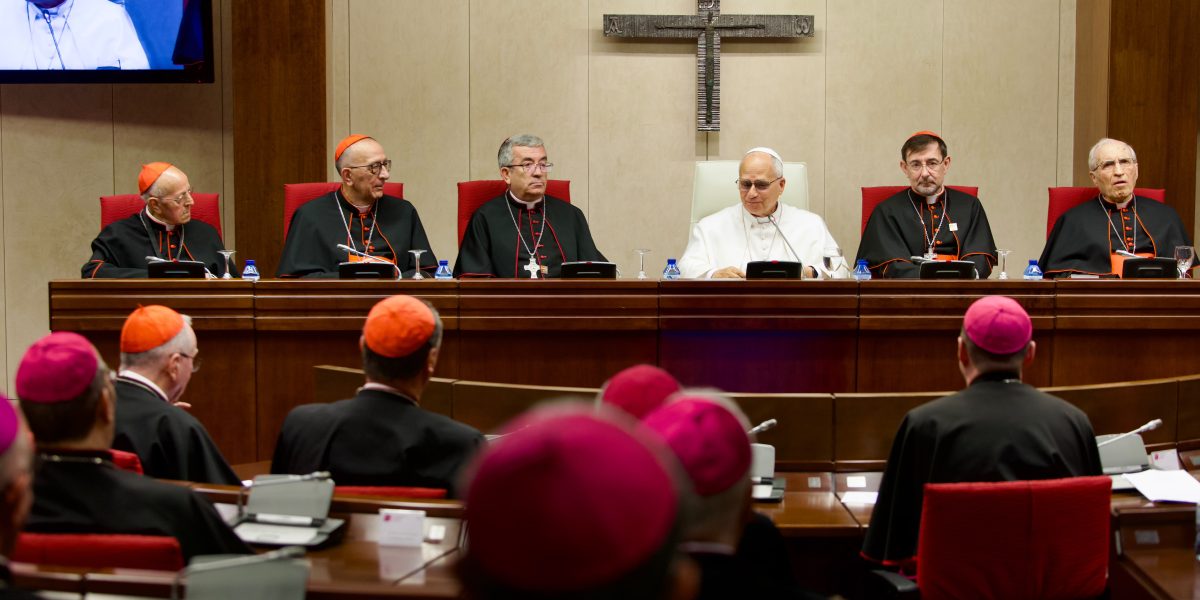
Ahead of a scheduled meeting with global tech leaders, Pope Leo XIV recently quipped to Spanish bishops that artificial intelligence still thinks Pope Francis is in charge.
A Lighthearted Moment in the Vatican
During a lunch at the Apostolic Nunciature in Madrid, the Pope joked about AI’s outdated understanding of the papacy. This off-the-cuff remark has sparked conversation about the intersection of technology and faith.
The meeting, which took place in the presence of other high-ranking clergy, offered a glimpse into the Pope’s more informal and humorous side. The lighthearted moment comes as the Vatican continues to explore the potential applications of AI in various aspects of Catholic life, including administrative tasks and pastoral care.
The organization of the meeting was overseen by Yago de la Cierva, an expert in the field who has been at the forefront of efforts to harness AI’s potential for the Church.
What This Means for the Vatican and Beyond
The Pope’s joke may have been in poor taste, but it highlights the real challenge of keeping AI systems up to date with the latest developments in the world, including the papacy. This is a problem that extends far beyond the Vatican, as AI relies on vast amounts of data that can quickly become outdated.
This is why AI developers are working on new methods to keep these systems current, such as integrating real-time information and incorporating feedback from users. For institutions like the Vatican, this could mean more efficient and effective use of resources, as well as improved communication with the faithful.
As we move forward, it’s worth considering the implications of AI’s limitations in understanding the complexities of human systems, like the papacy. What this means is that AI will not replace human judgment and discernment, but rather enhance our capacity to process information and make informed decisions.