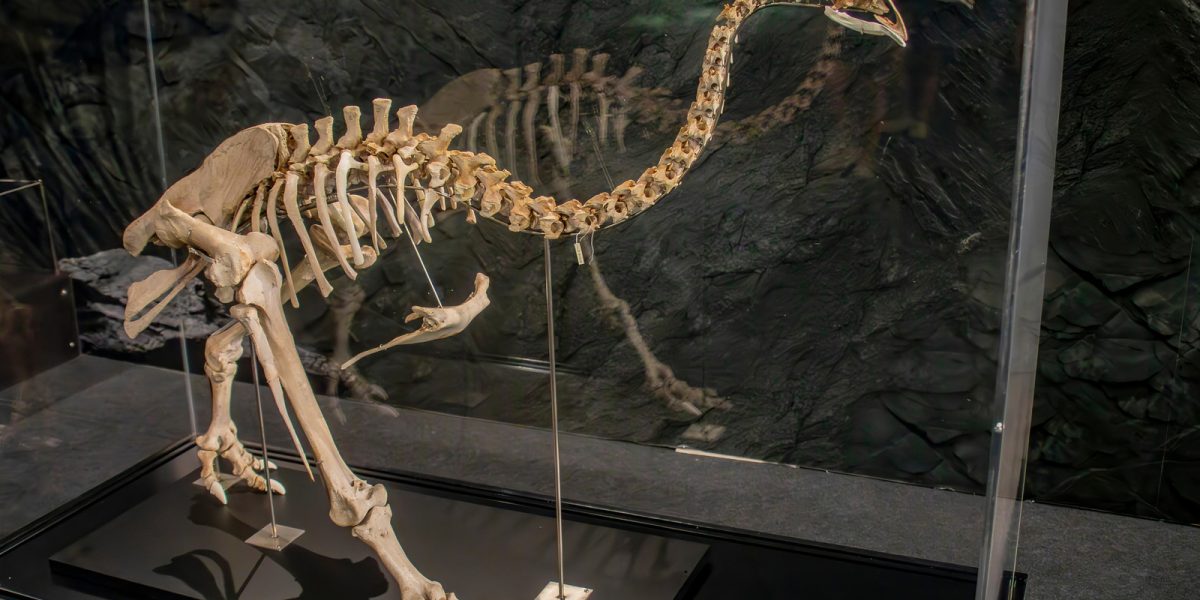
Scientists at the University of California, led by renowned geneticist **George Church**, are pioneering a radical approach to bringing back extinct animals: using 3D printing to craft organs and tissues.
The Revival of Extinct Species
The quest to revive extinct animals has long been a topic of debate, with many experts questioning the ethics and feasibility of such a endeavor. However, the team’s innovative use of 3D printing is a potential game-changer. By creating complex organs and tissues, researchers may be able to overcome one of the biggest hurdles in de-extinction: growing functional organs in vitro.
How It Works
The team is using a cutting-edge 3D printing technique called “bioprinting,” which involves depositing living cells onto a scaffold to create a three-dimensional structure. In this case, the scaffold is a biodegradable matrix that will dissolve as the cells grow and differentiate into functional tissue. By creating organs and tissues in this way, researchers may be able to bypass the need for embryonic stem cells, which have been a major stumbling block in de-extinction efforts.
While the technology is still in its infancy, the potential applications are vast. Imagine being able to bring back the Woolly Mammoth or the Dodo – species that roamed the Earth just a few thousand years ago. Or, consider the possibility of creating organs for transplantation in humans, reducing the need for donor tissue and improving our understanding of human biology.
What This Means
This breakthrough has significant implications for conservation biology and biotechnology. By enabling the creation of complex organs and tissues, researchers may be able to bring back extinct species that were thought to be lost forever. Additionally, this technology could pave the way for the development of new organs for transplantation, reducing the need for donor tissue and improving patient outcomes.