A surge in demand for AI-related electronics has helped global trade weather the West Asia crisis in early 2026, according to the latest WTO Trade Barometer.
Electronics boost helps soften blow
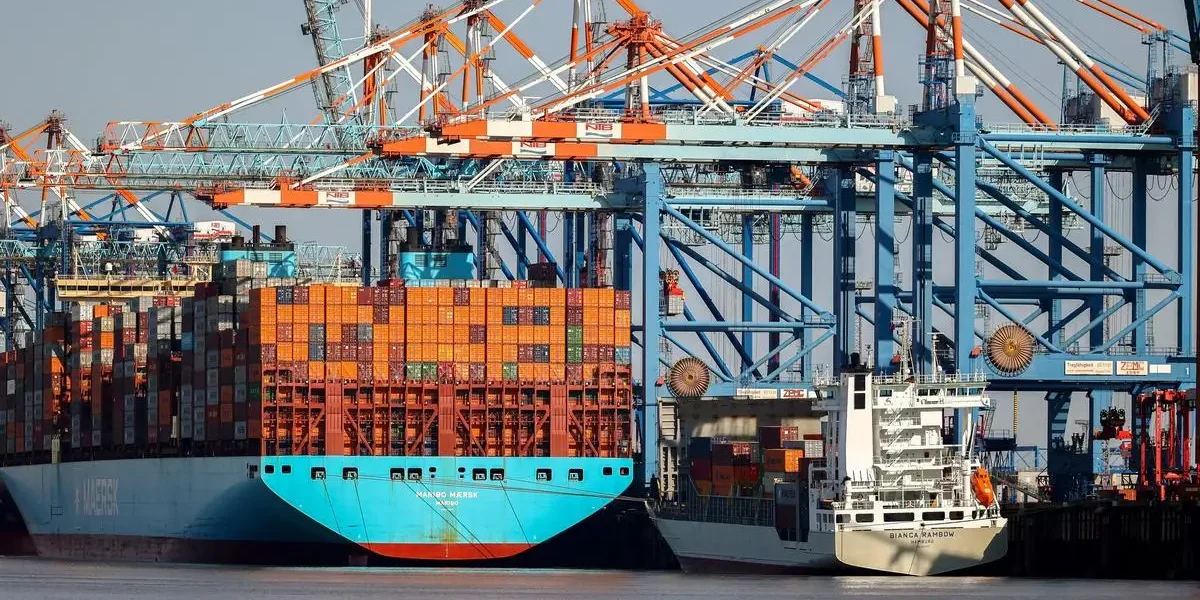
The World Trade Organization’s report highlights a crucial aspect of global commerce: the resilience of electronics trade. Rising demand for AI-related components, including chips and processors, has helped offset the impact of West Asia conflict disruptions on global trade. The crisis, which began in late 2025, has severely affected key trade routes and shipping lanes, but the electronics industry’s growth has provided a vital counterbalance.
What’s driving the growth in AI electronics?
The increase in demand for AI-related components is largely driven by the accelerating adoption of AI technologies across various sectors, including manufacturing, healthcare, and education. As companies and governments continue to invest in AI research and development, their needs for specialized electronics components are growing. This trend is not limited to high-tech industries; even traditional manufacturing is leveraging AI to optimize processes and improve efficiency.
What this means
The resilience of global trade in electronics has significant implications for businesses and economies. It suggests that some industries are better equipped to weather global disruptions than others. Companies that can adapt to changing market conditions and capitalize on emerging trends, like AI, may find themselves at an advantage in the coming years. Additionally, the growth in electronics trade highlights the importance of maintaining open and stable global supply chains, particularly in critical sectors like AI.
The WTO Trade Barometer’s findings offer a nuanced view of global trade dynamics, emphasizing the interplay between growth and disruption. As the world continues to grapple with the consequences of the West Asia crisis, the resilience of electronics trade serves as a reminder of the complexities and opportunities that arise from technological advancements and global economic shifts.
The next few quarters will be crucial in determining the long-term impact of the West Asia crisis on global trade. However, for now, the growth in AI-related electronics provides a beacon of hope for industries and economies that have been hit hard by the conflict.