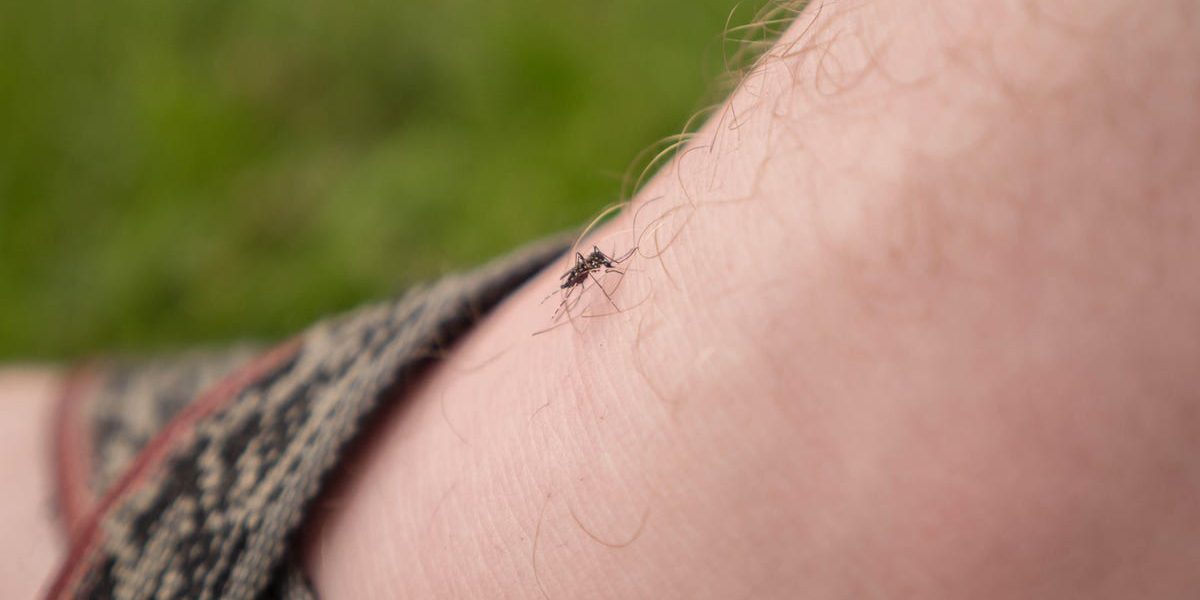
AI-Powered Laser Mosquito Zapper Hits the Skids
Inventor **Steven Cheng** is working on prototypes for a mobile bug-zapping defense system that uses lasers to eliminate mosquitoes. This isn’t a sci-fi concept, but an actual technology being developed with the help of AI.
Cheng’s idea is to create a device that can be mounted on a vehicle, like a golf cart or an ATV, and use computer vision and machine learning to track and zap mosquitoes with high-precision lasers. The system is designed to be portable, making it easy to deploy in areas where mosquito-borne illnesses like Zika and malaria are prevalent.
The technology relies on a combination of sensors, cameras, and machine learning algorithms to detect and identify mosquitoes in real-time. Once a mosquito is spotted, the system triggers a laser beam that kills it instantly. The goal is to create a device that can eliminate mosquitoes before they even reach human populations.
The Science Behind the Zapping
Cheng’s system uses a type of laser called a diode laser, which is more efficient and cheaper than traditional lasers. The laser beam is also adjustable, allowing the system to fine-tune its accuracy and precision. The AI algorithms used in the system can learn from data and adapt to changing environments, making it more effective over time.
The device is not aimed at replacing traditional mosquito control methods, but rather supplementing them. Traditional methods often involve using pesticides, which can harm the environment and human health. The laser system is a more targeted approach, eliminating mosquitoes before they pose a threat.
What This Means
The development of an AI-powered mosquito zapper has significant implications for public health and the environment. By targeting mosquitoes before they spread diseases, the system could help prevent outbreaks and reduce the need for pesticides. However, the technology is still in its early stages, and more research is needed to make it effective and safe for widespread use.