Asian Stocks Slip from Record Highs as Iran Peace Talks Stall
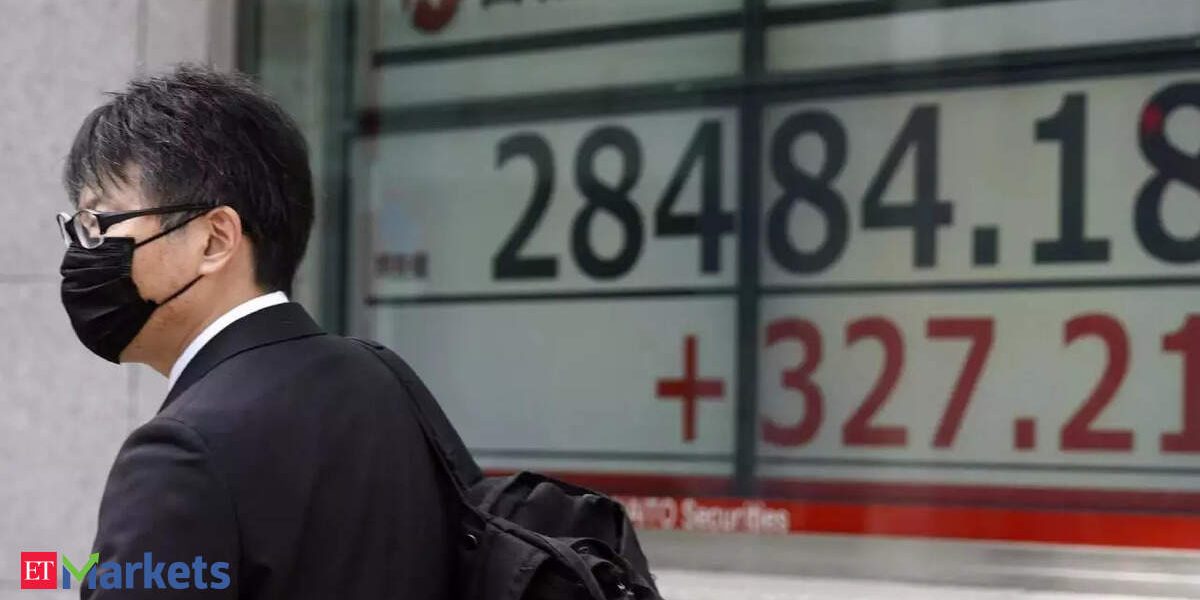
Asian markets are backtracking from record highs, with investors increasingly wary of rising tensions and uncertainty. The region’s key benchmarks, including Japan, Australia, and South Korea, all saw significant declines, wiping out early gains.
Trouble in the Middle East
Peace talks between the US and Iran have hit a snag, casting a shadow over global markets. The US-Iran standoff has been a major source of volatility, and investors are growing anxious about the potential impact on oil prices and broader economic stability. Oil prices remain elevated, a consequence of the ongoing tensions and concerns about supply disruptions.
Investor Jitters and Economic Data
US stock futures also slipped, reflecting growing concerns about the global economic outlook. With major economic indicators on the horizon, investors are eagerly awaiting data on the US economy, hoping for some clarity on the direction of markets. The upcoming release of key economic metrics may shape investor sentiment and influence market movements.
Investors are closely watching these statistics for any signs of economic growth or slowdown. Strong data could bolster market confidence and push stocks higher, while weaker numbers might prompt further declines. The US Federal Reserve has a critical role in this, and market participants are keenly aware of the central bank’s actions. Any shift in monetary policy, such as interest rate adjustments, could have far-reaching effects on markets.
Global Market Sentiment
Market sentiment remains fragile, with investors on high alert for any signs of trouble. The recent record highs in Asian stocks have given way to a more cautious mood, reflecting growing concerns about geopolitics and the global economy. Oil prices are a key factor, and any unexpected moves could quickly spread to other markets.
What this means: Asian markets are taking a step back from record highs, partly due to the faltering Iran peace talks and ongoing oil price volatility. Investors will be closely watching economic data for any signs of growth or slowdown, and the Fed’s actions will be closely monitored for potential shifts in monetary policy.