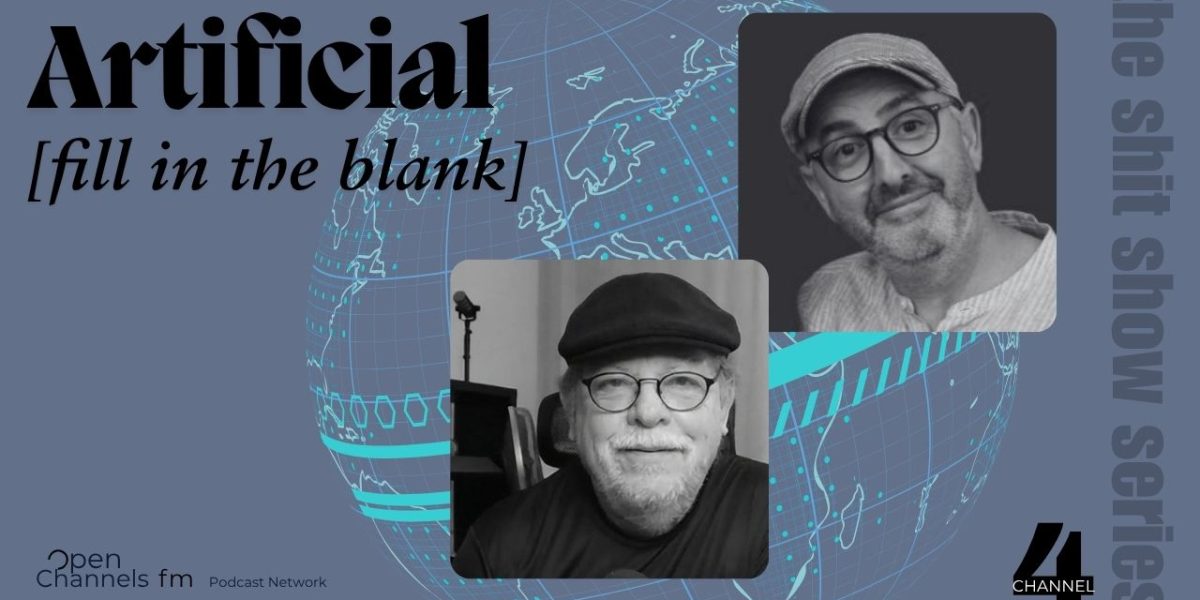
Nathan Wrigley just called it: Artificial Intelligence as a term might be a misnomer.
Artificial intelligence, or AI for short, has become a ubiquitous term in tech circles. We hear it tossed around in boardrooms, conference halls, and even dinner conversations. But have you stopped to think about what it actually means? Nathan Wrigley, a popular tech podcaster, thinks the term AI is, well, a bit of a misnomer.
The Origins of AI
The concept of artificial intelligence dates back to the 1950s, when computer scientists like Alan Turing and Marvin Minsky began exploring the idea of machines that could think and learn like humans. The term itself was coined by John McCarthy, a pioneer in the field, who used it to describe a computer program that could simulate intelligent behavior.
Fast-forward to today, and we have AI systems that can outperform humans in tasks like playing chess, recognizing images, and even generating creative content. But are these systems truly intelligent in the way humans are? The answer, it seems, is no.
The Limits of AI
Nathan Wrigley’s skepticism about the term AI stems from the fact that these systems, no matter how advanced, lack one crucial aspect of human intelligence: common sense. They can process vast amounts of data and recognize patterns, but they often don’t understand the nuances of human behavior or the context in which they’re operating.
This limitation becomes apparent when you ask an AI system to perform a task that requires creativity, empathy, or basic human judgment. It’s like asking a calculator to solve a math problem that involves a joke. The calculator will give you the answer, but it won’t get the joke.
What this means
The fact that AI systems are not truly intelligent in the way humans are has significant implications for how we use and interact with them. It means that we need to be cautious when relying on AI for critical decision-making tasks, and that we should approach AI-generated content with a healthy dose of skepticism.
In practical terms, this means that AI systems should be treated as tools, not as substitutes for human judgment or creativity. It also means that we need to be more mindful of bias in AI decision-making, and to ensure that these systems are designed with transparency and accountability in mind.