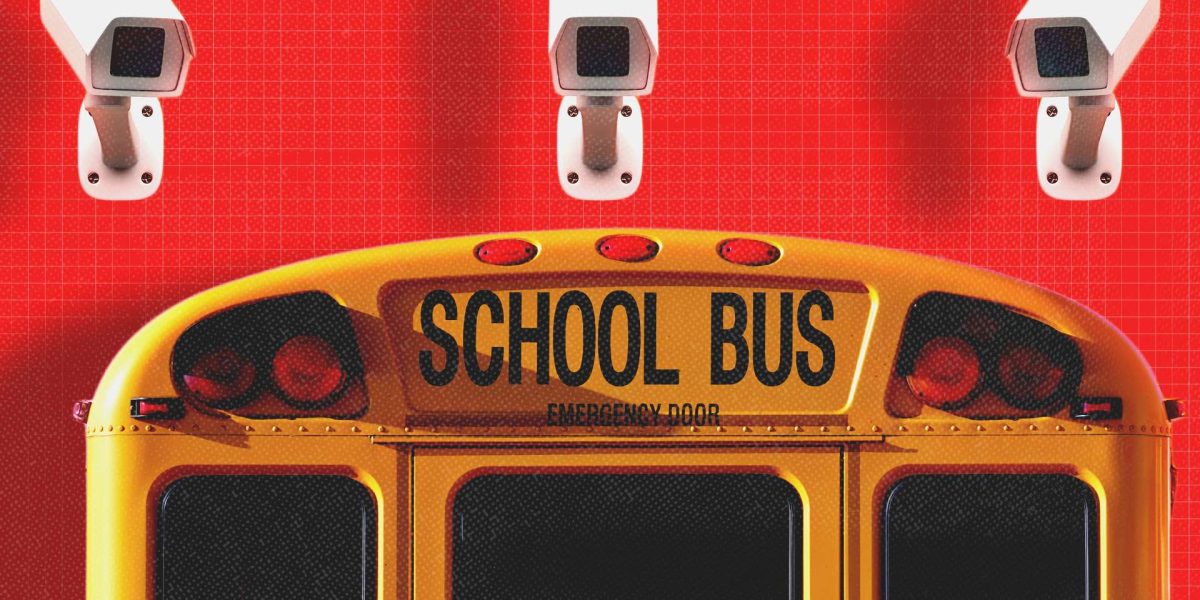
Tens of thousands of school buses in the US could become de facto surveillance vehicles, equipped with license plate readers that share data with law enforcement, according to leaked documents obtained by 404media. The plans, reportedly from AI-based surveillance company BusPatrol, aim to outfit buses with automatic license plate readers (ALPR) that capture and store information from passing vehicles.
A Surveillance State on Wheels
The leaked documents appear to detail a widespread rollout of ALPR technology to tens of thousands of school buses, sparking concerns about mass surveillance and the potential for misuse of the collected data. Critics argue that the initiative would effectively turn school buses into mobile surveillance hubs, with law enforcement agencies able to access the aggregated data to monitor and track civilians.
BusPatrol’s AI-Driven Surveillance Plans
BusPatrol, a company specializing in AI-driven surveillance solutions, is behind the plans, according to the leaked documents. BusPatrol’s ALPR technology would capture license plate data from passing vehicles, which would then be shared with law enforcement agencies. The company claims that the system would help reduce crime rates and improve road safety, but critics argue that the benefits do not outweigh the risks to civil liberties.
The move has raised questions about the role of AI in mass surveillance and the potential for unintended consequences. What this means is that citizens may soon find themselves being tracked and monitored by a network of roving surveillance buses, raising concerns about data privacy and the Fourth Amendment. As the use of AI in surveillance continues to grow, it’s essential to have a clear understanding of the implications and risks involved.
What’s Next?
The leaked plans have sparked a heated debate about the use of AI in surveillance and the role of private companies in law enforcement. As the initiative gains momentum, it’s crucial to hold companies like BusPatrol accountable for their actions and ensure that the public’s right to privacy is protected. The fate of the plans remains unclear, but one thing is certain – the lines between surveillance and public safety are becoming increasingly blurred.