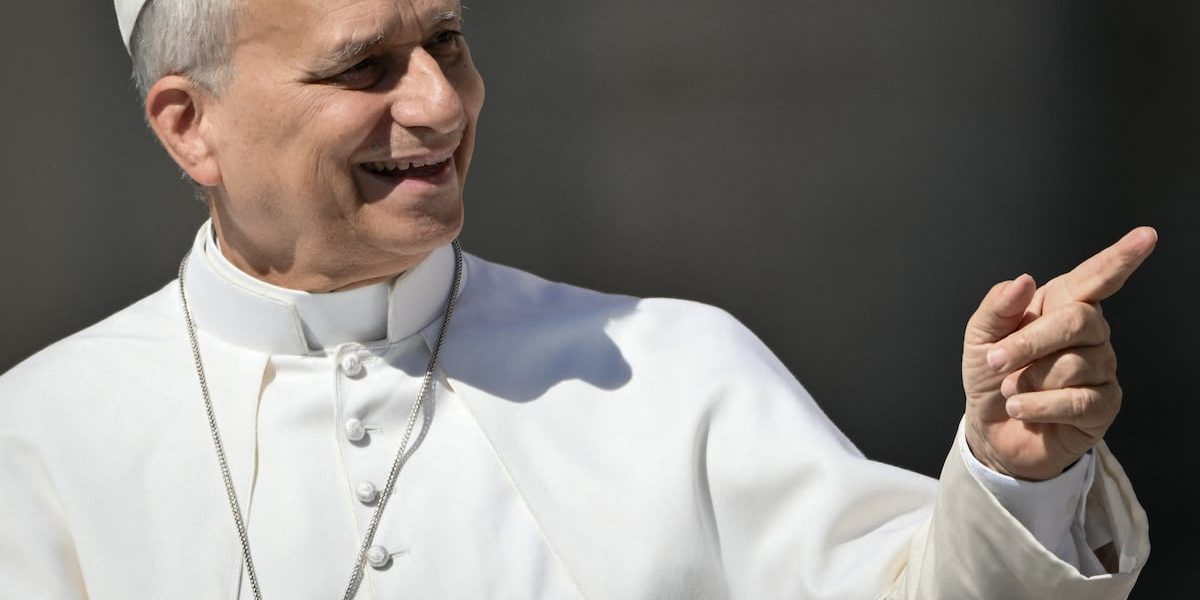
<Pope Leo XIV's 42,000-word treatise on the intersection of technology and humanity offers a unique perspective on the implications of artificial intelligence.
The Vatican has long been a hub of philosophical and theological inquiry, but Pope Leo XIV’s latest publication takes a more unexpected turn. In “On the Nature of Human Existence in the Age of AI,” the Bishop of Rome explores what it means to be human in a world where technology is increasingly capable of simulating and even surpassing human intelligence.
The 42,000-word treatise is a sweeping meditation on the potential benefits and drawbacks of emerging technologies like AI, and what it means to safeguard the best parts of being human in the process.
Pope Leo XIV’s central concern is that the relentless pursuit of technological progress may come at the cost of our humanity. “As we increasingly rely on machines to manage and optimize our lives, we risk losing touch with the messy, imperfect, and beautiful aspects of existence that make us human,” he writes.
A Question of Identity
The Pope’s treatise raises important questions about the nature of identity and what it means to be human. Are we defined by our biology, our experiences, or our relationships with others? And how will our increasingly interconnected world with AI impact our sense of self and our place within it?
In the face of these questions, Pope Leo XIV offers a nuanced and thoughtful exploration of the challenges and opportunities presented by AI.
What this means: As AI continues to advance and integrate into our daily lives, we risk losing sight of what makes us human. By examining the implications of emerging technologies, we can begin to safeguard the qualities that truly define us, such as empathy, creativity, and love.