Jefferson’s Tokyo Showdown: AI, Energy, and Trade in the Fed’s Crosshairs
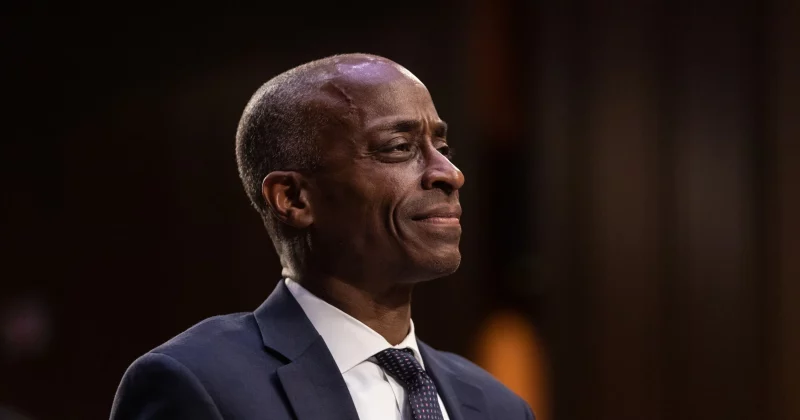
Philip Jefferson, Vice Chair of the Federal Reserve, took the stage at the Bank of Japan conference in Tokyo, where he made it clear that the Fed is zeroing in on the intersections of artificial intelligence, energy shocks, and trade disruptions as the key drivers of global economic uncertainty.
The Fed’s Strategic Pivot
The Fed’s focus on these areas signals a strategic pivot towards managing complex global economic challenges. For months, the central bank has been grappling with supply-side risks, and Jefferson’s comments in Tokyo reiterate this commitment to tackling the underlying causes of economic volatility.
As the global economy continues to shift towards a more technology-driven landscape, AI emerges as a critical component of the Fed’s analysis. Jefferson’s silence on crypto and digital assets during the policy conversation suggests that these issues are currently taking a backseat to more pressing concerns.
The confluence of AI, energy shocks, and trade disruptions represents a perfect storm of supply-side risks that the Fed is working to mitigate. The central bank’s attention to these areas underscores the need for a holistic approach to economic management, one that considers the interplay between technological, environmental, and trade factors.
What This Means
In practical terms, this focus on AI, energy, and trade means that businesses and investors should be prepared for a more nuanced economic landscape. The Fed’s emphasis on supply-side risks suggests that interest rates may continue to rise to combat inflationary pressures, while also supporting the development of technologies and industries that can help mitigate these risks.
As the global economy continues to evolve, the Fed’s priorities will remain closely tied to the intersections of technology, energy, and trade. Companies and investors would do well to keep a close eye on these developments, as the Fed’s policy decisions will have far-reaching implications for the global economy.
A Global Context
Jefferson’s remarks in Tokyo also reflect the increasingly global nature of economic challenges. The Bank of Japan conference provided a platform for policymakers to discuss the shared interests and concerns of major economies, underlining the need for coordinated action to address the complex economic challenges facing the world.
As the global economy continues to integrate, the Fed’s focus on AI, energy, and trade represents a crucial step towards building a more resilient and adaptable economic system. By tackling these supply-side risks head-on, the Fed can help mitigate the risks of economic volatility and foster a more sustainable growth path for the global economy.