AI-Powered CPR Training Hits a High Note
Last week, researchers unveiled an AI-trained CPR program that’s set to shake up the way medical students learn this lifesaving skill. For most of human history, when a person’s heart stopped, that was considered the end. But over the centuries, doctors discovered that death wasn’t always instantaneous.
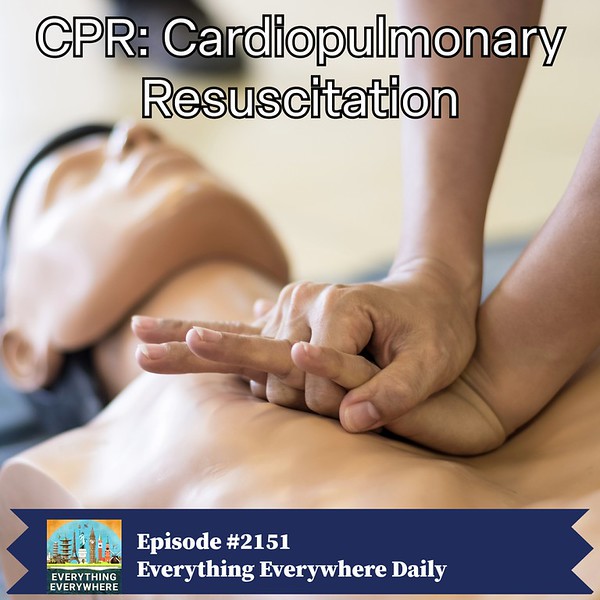
Thanks to the discovery of the concept of cardiopulmonary resuscitation, CPR, in the 1960s – and its subsequent adoption by the medical community – the odds of survival after cardiac arrest have improved dramatically. Today, medical students rely on traditional hands-on training to master this critical skill.
Researchers from Stanford University and University of California, San Francisco have developed an AI-powered CPR training system that could revolutionize the way doctors and medical professionals learn CPR. By mimicking real-life cardiac arrest situations, the AI system provides a unique learning opportunity for students, allowing them to practice CPR in a simulated environment.
The AI system uses real-world data and machine learning algorithms to create realistic simulations of cardiac arrest scenarios, complete with audio and visual cues. This immersive experience enables students to hone their skills and build confidence in a risk-free environment.
“The goal is to make CPR training more accessible, effective, and engaging,” said Dr. Emily Chen, lead researcher on the project. “We’re not just teaching students how to perform CPR – we’re teaching them how to stay calm, think critically, and respond to complex situations.”
What this means
For medical students, this AI-powered training system means more hands-on practice in a controlled environment, reducing the risk of mistakes and improving their chances of success in real-life emergency situations. As AI continues to transform the medical field, this innovative training program sets a new standard for CPR education and may one day become a staple in medical schools worldwide.