China has launched an unprecedented experiment into the possibility of human reproduction in space, using artificial embryos to test whether conception can occur in zero-gravity conditions.
The Birth of a New Frontier
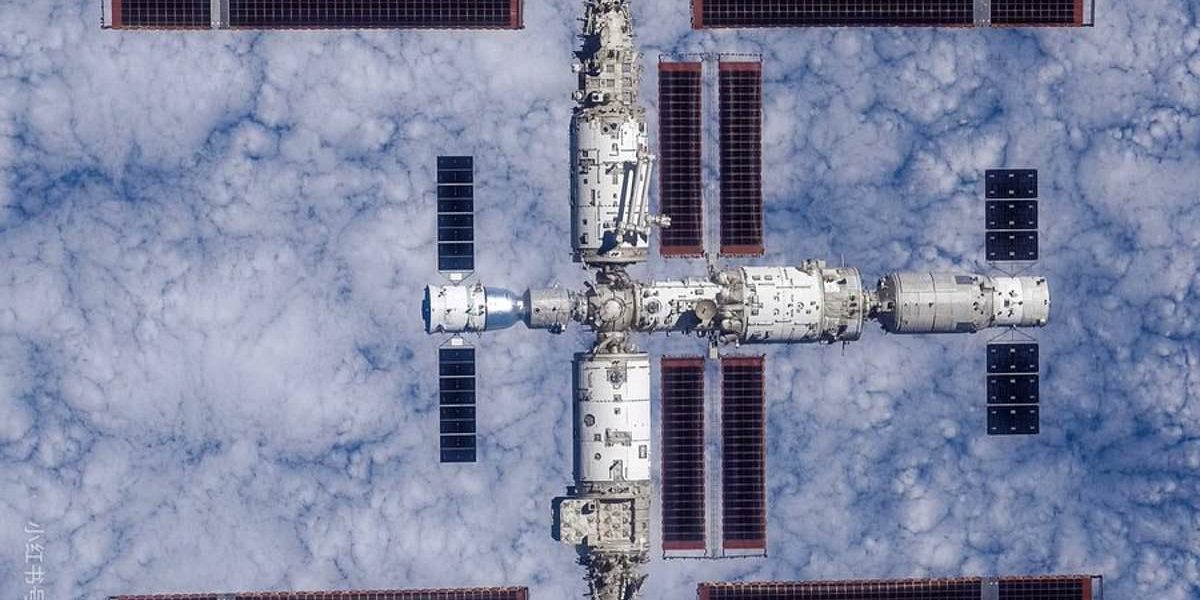
Scientists at the Chinese Academy of Sciences have created artificial human embryos, known as human artificial embryos (HAEs), which will be exposed to a microgravity environment onboard the Shenzhou 16 spacecraft, currently orbiting the Earth.
The experiment aims to investigate the effects of microgravity on the early stages of human embryonic development, a crucial step towards understanding whether humans can reproduce in space.
A Question Decades in the Making
For decades, scientists have been fascinated by the possibility of human reproduction in space, but little progress has been made due to the complexities of the human reproductive system and the harsh environment of space.
The Chinese team is building on previous research into the effects of microgravity on animal reproduction, which has shown promising results, but also highlighted the need for more extensive studies on human embryos.
The HAEs used in this experiment were created through a process called induced pluripotent stem cell (iPSC) technology, which involves reprogramming adult cells into a pluripotent state, similar to that of an embryonic cell.
A Glimpse into the Future
What this means for future space colonization efforts is significant: if successful, it could pave the way for the first human birth in space, a milestone that would have far-reaching implications for the long-term sustainability of space missions.
While the experiment is still in its early stages, the potential for breakthroughs in our understanding of human reproduction in space is vast, and could ultimately lead to new possibilities for human exploration and settlement of the cosmos.
The results of this experiment will be closely watched by the scientific community, as they have the potential to rewrite the rules of human reproduction and take us one step closer to making space travel a viable option for families.