America Turns 250 with a New Problem: We No Longer Agree on What’s Real
AI is dismantling the shared reality that’s long been the hidden infrastructure of American democracy and markets – a notion that’s as old as Paul Revere’s midnight ride. For 250 years, the concept of a collective understanding of reality has kept the country’s institutions running smoothly. But with AI, this foundation is crumbling at an alarming rate.
From Paul Revere to Deepfakes
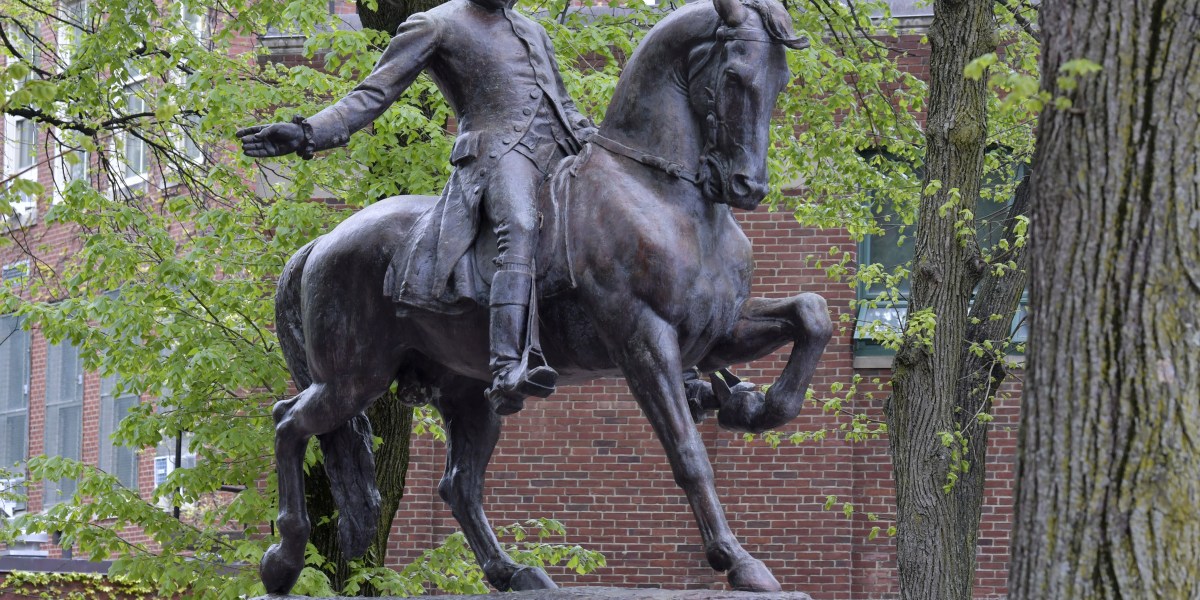
Paul Revere’s famous ride in April 1775 was more than just a warning of the British invasion. It represented a shared reality – a collective understanding of what was happening. The event became a cornerstone of American history, cementing the idea that we all agree on what’s real. Fast forward to today, and this notion is being dismantled by AI.
Deepfakes, a product of AI, can create fake videos and images that are almost indistinguishable from reality. They can make a politician appear to say something they never did or create a fake news report that’s more believable than the real one. The consequences are serious – it’s no longer clear what’s real and what’s not.
A Shattering of Trust
The implications are far-reaching. In a country where trust in institutions is already low, AI-powered deepfakes are exacerbating the problem. When we can’t rely on our senses to tell us what’s real, institutions start to lose credibility. The media, government, and even social networks are all vulnerable to this manipulation.
What this means is that we need to rethink the way we interact with information. We can’t assume that what we see or hear is true. Verification becomes essential, but who can we trust to verify the facts? The very fabric of American society is being torn apart by this problem.
As the country celebrates its 250th anniversary, it’s clear that the biggest challenge facing America is no longer about freedom or prosperity but about what’s real. AI has created a perfect storm of misinformation, and it’s up to institutions to respond before it’s too late.