California Taps Brakes on AI Disruption with New Labor Overhaul
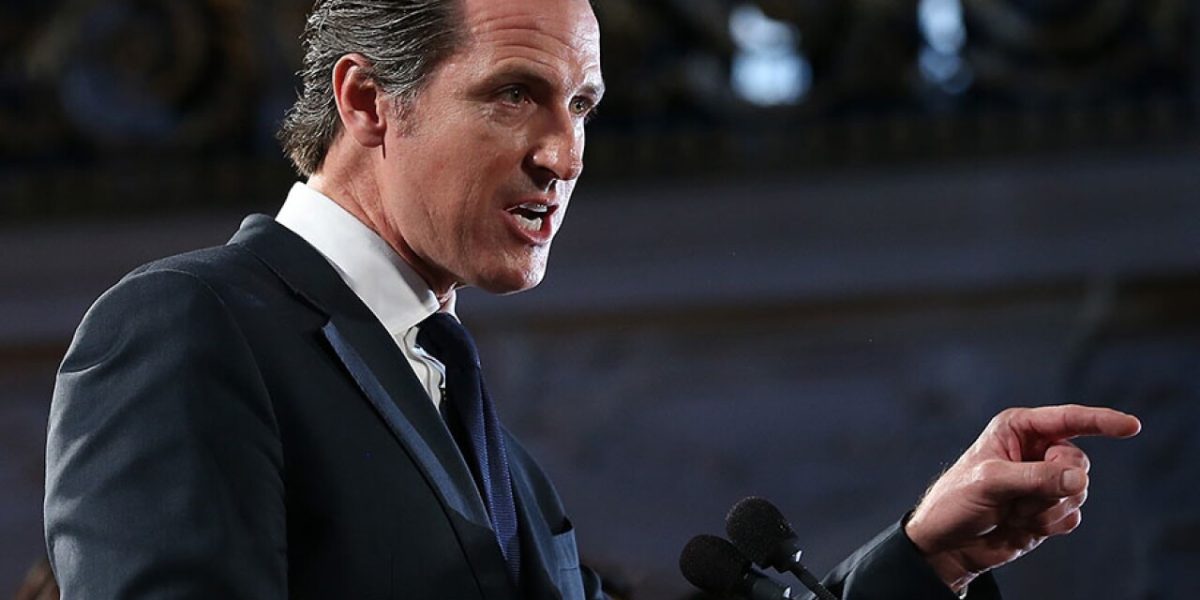
California is the first state to seriously consider shielding workers from the job-threatening effects of AI adoption. Governor Gavin Newsom has issued a directive to state officials to examine whether it’s possible to provide subsidies to companies that avoid replacing human employees with automation.
The move is a response to the growing concern that AI-powered productivity gains will disproportionately benefit corporations at the expense of workers. California officials are under pressure to find ways to mitigate the impact of this trend, and subsidies are one potential solution.
The idea is not without precedent. In some European countries, governments have already started to explore similar initiatives to support businesses that adopt more labor-intensive models or those that focus on human-centric skills development. By offering subsidies, these governments aim to encourage companies to prioritize workers’ interests alongside profits.
The challenge, however, lies in designing a policy framework that effectively promotes a shift in corporate behavior without creating unintended consequences. Critics argue that handouts to companies could end up perpetuating a culture of inefficiency and encourage businesses to rely on government support rather than adapting to changing workforce demands.
As the AI adoption curve accelerates, California’s decision to take a proactive stance could serve as a bellwether for other governments. The state’s efforts to develop a more nuanced understanding of the relationship between AI, labor, and economic growth might also shed light on the potential effectiveness of subsidies in protecting workers’ interests.
The labor policies California officials are set to overhaul are likely to be a hotly debated topic in the coming months. If the state can successfully develop a model that balances the needs of businesses and workers, it could have significant implications for the future of work in the AI age.