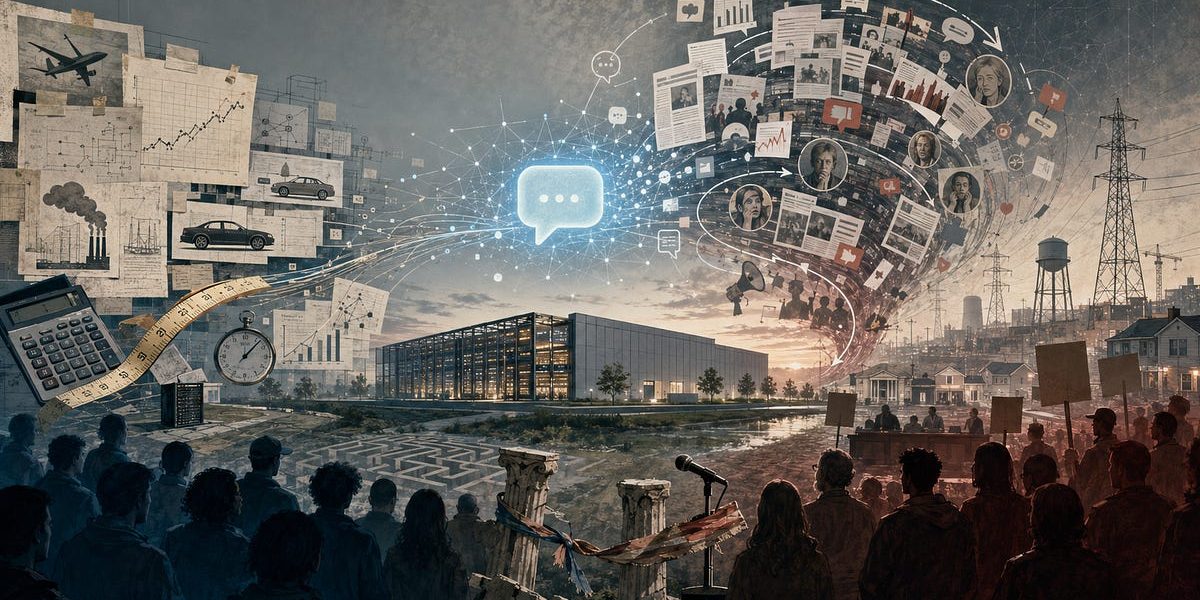
Before ChatGPT, data centers were considered a peculiar niche, often sparking heated debates among a dedicated crowd. However, one thing was clear: they didn’t belong in the national conversation. But the rise of AI and increasing concern about data collection has changed everything.
A Quiet Evolution
Data centers, those vast server farms humming away in the background, were once seen as an afterthought. They supported internet services, stored information, and kept the wheels turning, but their presence was largely invisible. Yet, as AI began to take center stage, data centers suddenly found themselves at the forefront of public discourse.
It started with the increasing demand for data storage and processing power. As AI models grew in complexity, they required more computing resources. This created a perfect storm: data centers became both necessary and contentious. People began to question their impact on the environment and their role in data collection.
The Rise of Data Concerns
The shift in public perception was swift and decisive. Data centers, once seen as a necessary evil, were now being scrutinized like never before. Concerns over energy consumption, e-waste, and data privacy reached a fever pitch. Social media platforms, tech giants, and governments began to take notice, sparking a national conversation about data centers and their implications.
The conversation wasn’t just about data centers themselves but also about the broader issues they represented. It was a wake-up call for people to think about the data they shared, the information they stored, and the companies behind it all. With the rise of AI, data centers went from being an afterthought to a pressing concern.
What This Means
The shift in public perception has significant implications for data centers and the tech industry as a whole. As people become more aware of data collection and AI-driven applications, they’re demanding greater transparency and accountability. Data centers are no longer a niche concern but a symbol of the data-driven world we live in.
This newfound awareness may lead to increased regulation and industry-wide changes. Companies will need to adapt to meet growing demands for data security and sustainability. It’s no longer just about keeping the lights on in a data center; it’s about understanding the impact of data-driven technologies on society.