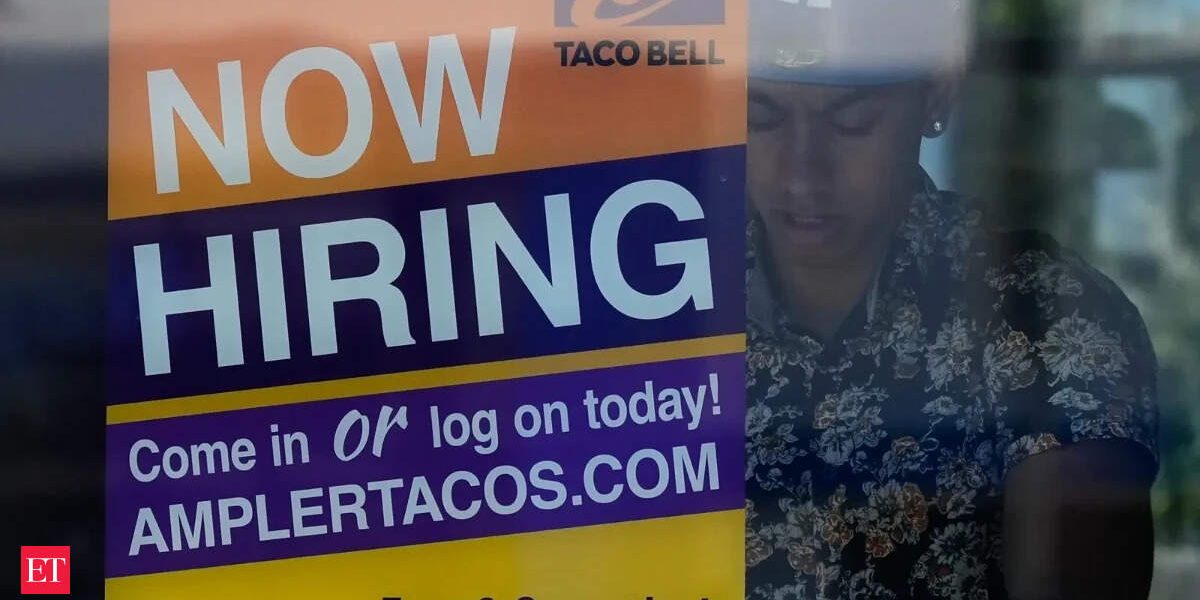
Fewer Americans File for Jobless Aid as Layoffs Remain Low
US jobless aid filings plummeted to **209,000** last week, the lowest level in months, signaling continued low layoffs despite the ongoing economic uncertainty. This development may come as a welcome relief to policymakers and economists, who are closely monitoring the economic landscape.
The Economy Faces a Perfect Storm
Despite the dip in layoffs, the economy is facing numerous challenges that could undermine the recent positive trend. The ongoing war in Iran has led to a significant spike in oil prices, which in turn has fueled inflation. This has resulted in reduced consumer spending, a key driver of economic growth. Businesses are also hesitant to hire new employees, exacerbating the already tight labor market.
The Federal Reserve is keeping a watchful eye on the economic situation, and this week’s jobless claims data is likely to be a key factor in their decision-making process. The central bank has already raised interest rates twice this year to combat inflation and maintain economic stability.
A Low-Layoff Economy: A Double-Edged Sword
The low-layoff economy has its benefits, including a reduced burden on the social safety net and increased consumer confidence. However, it also creates a labor scarcity that can lead to higher wages and production costs for businesses. This could ultimately result in higher prices for consumers, potentially offsetting the positive effects of the low-layoff economy.
What this means:** A low-layoff economy can be a double-edged sword for policymakers. While it may indicate a strong labor market, it also raises concerns about inflation and consumer spending. The recent dip in jobless claims data is a positive sign, but it’s essential to monitor the underlying economic trends to ensure sustained growth.
The recent decline in jobless aid filings is a positive sign for the US economy, but it’s essential to consider the broader economic context. As the Federal Reserve continues to monitor the situation, policymakers must balance the benefits of a low-layoff economy with the potential risks of inflation and reduced consumer spending.