Sandra Bullock’s Unconventional View on AI in Hollywood
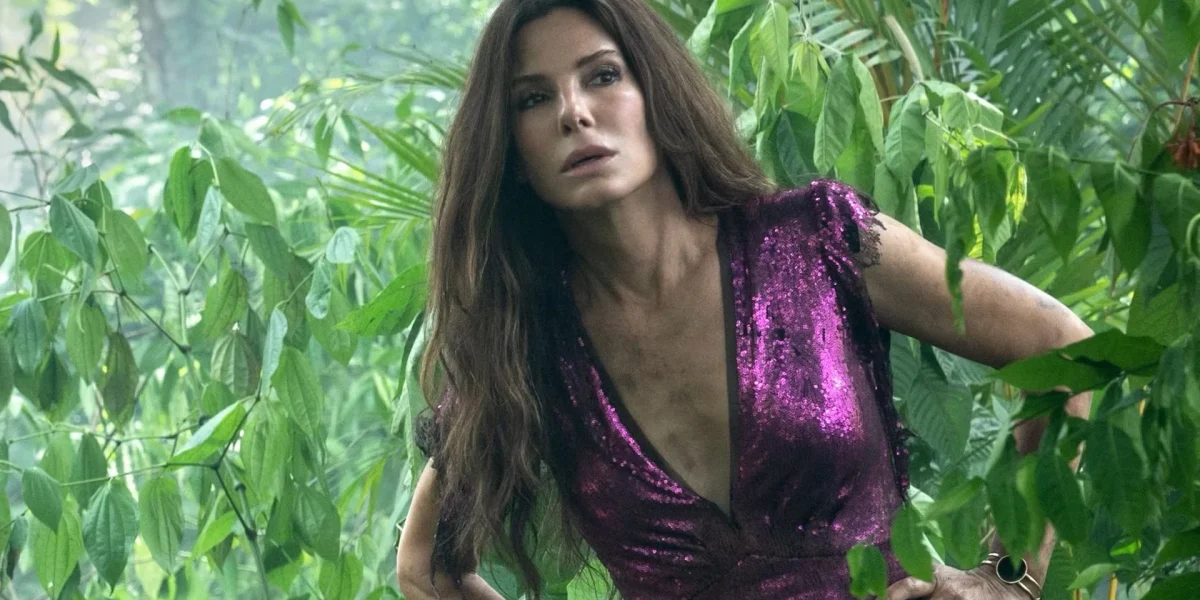
Sandra Bullock thinks Hollywood needs to stop fighting AI and start embracing it – literally, making it their friend. The actress made this bold statement at the CNBC Changemakers Summit, joining a growing conversation about AI’s place in the creative process.
The film industry is currently grappling with how AI can be harnessed to enhance storytelling, streamline production, and even replace certain jobs. Many artists and writers are skeptical, worried that AI might disrupt the delicate dance between human imagination and technical wizardry. But Bullock seems to have a different take.
With her typical charm and wit, Bullock said that instead of resisting AI, Hollywood should lean into its potential. “I think we need to make it our friend,” she said. This might sound counterintuitive, but it reflects a pragmatism that’s become increasingly relevant in the modern entertainment landscape.
From Tool to Collaborator
Bullock’s stance highlights the shift from seeing AI as a replacement for human creatives to recognizing its value as a collaborative partner. AI tools like AI-powered editing software and AI-driven scriptwriting assistants can augment the creative process, freeing up artists to focus on what matters most – crafting stories and characters that resonate with audiences.
This collaboration isn’t about replacing human intuition with cold, calculating logic. Rather, it’s about harnessing the unique strengths of each – AI’s precision and efficiency combined with human creativity and emotional depth.
What this means
The implications of Bullock’s words are significant. If Hollywood can learn to see AI as a trusted partner rather than an adversary, the possibilities are endless. It could lead to a new era of storytelling, where technology and human imagination work in tandem to push the boundaries of what we see on screen.
For audiences, this likely means more innovative, engaging content that’s both emotionally resonant and technically impressive. And for creatives, it might mean more opportunities to focus on the art of storytelling, unencumbered by the drudgery of manual labor.