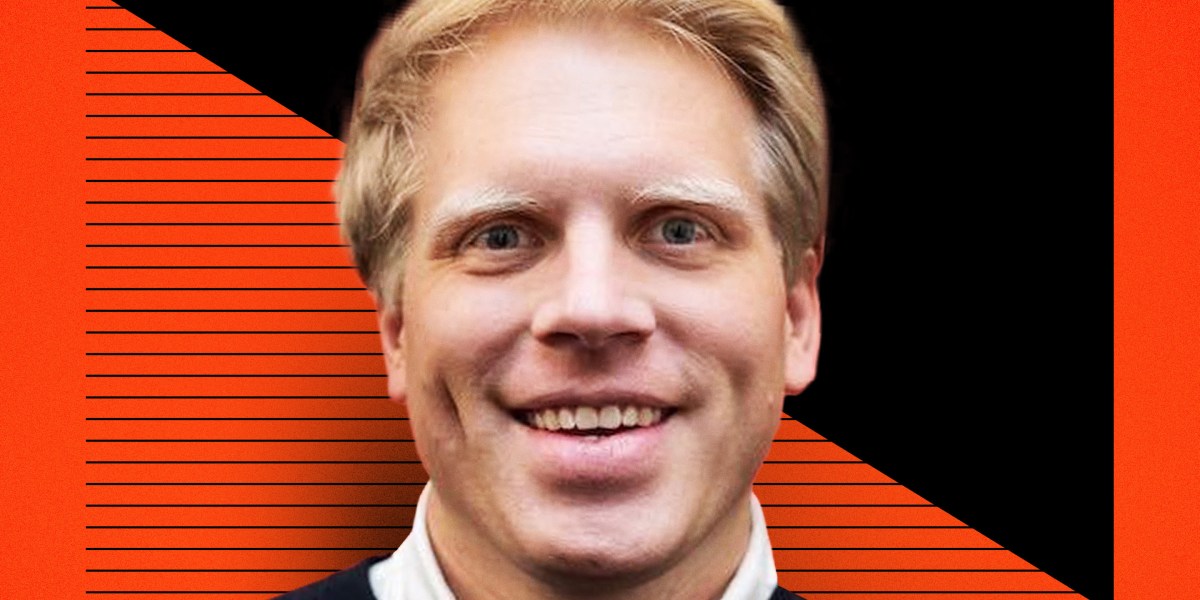
Antler CEO Magnus Grimeland claims Silicon Valley is just one of many hotspots for innovation, and his startup’s global expansion is proof.
Most venture capital firms start in Silicon Valley, but Antler took almost a decade to set up its first US office. It’s now opened its 27th global location, in San Francisco, showing that innovation isn’t limited to the Valley.
Antler positions itself as a “day zero” investor, backing founders from the very start, even before they’ve started building their businesses. This approach gives the firm a unique perspective on what makes successful startups.
Breaking Down Barriers to Entry
Grimeland believes that by spreading its presence across the globe, Antler can tap into diverse perspectives and talent, reducing barriers to entry for underrepresented groups in the tech industry. He’s not just talking about the usual suspects – he’s talking about entrepreneurs from Southeast Asia, Africa, and Latin America.
Antler has offices in 34 cities worldwide, including major hubs like Singapore, Nairobi, and Bogotá. By having a presence in these cities, the firm can connect with local startups and provide them with resources, mentorship, and funding.
The Rise of Global Innovation Hubs
Grimeland points out that cities like Singapore, Tel Aviv, and Bangalore are rapidly becoming innovation hubs, rivaling Silicon Valley in terms of their entrepreneurial spirit and talent pool.
These cities have their own unique ecosystems, with governments and private investors providing support and resources for startups. Antler’s expansion is a recognition of these trends, and a vote of confidence in the potential of global innovation hubs.
What This Means
Ultimately, Grimeland’s vision is one of a more inclusive and diverse tech industry, where startup success is not limited to a select few. By breaking down barriers to entry and providing resources to underrepresented groups, Antler is helping to create a more level playing field for entrepreneurs worldwide.
This shift could have significant implications for the tech industry, potentially leading to the emergence of new global leaders and a more representative range of voices in the innovation process.