
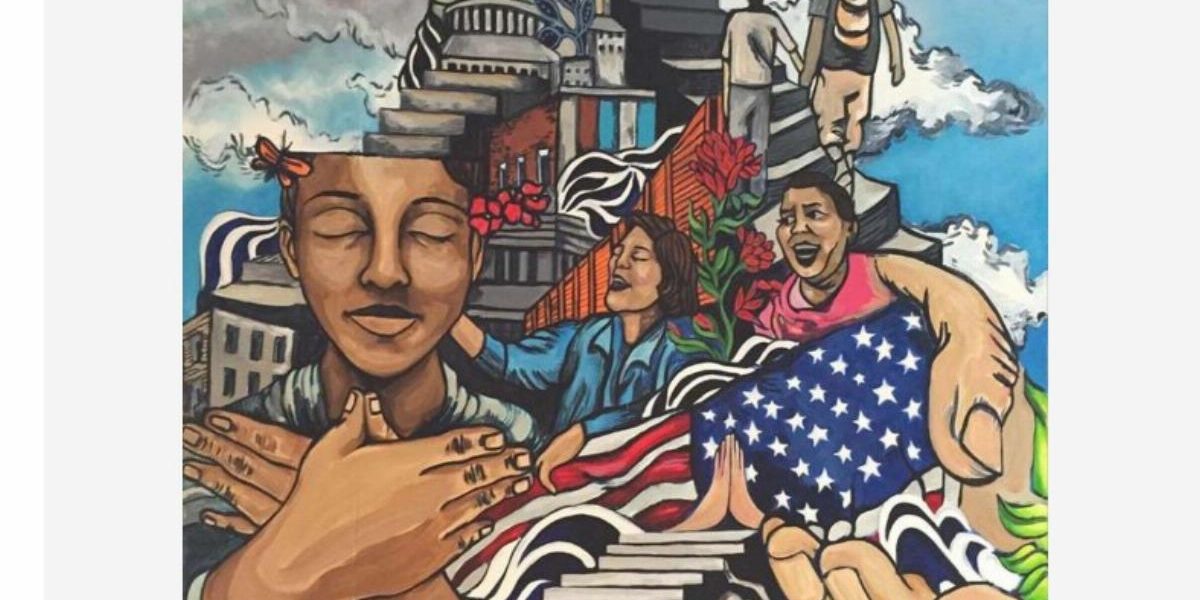
The US Census projects that by 2045, America will have a non-white majority for the first time in its history, with Hispanic and Latino populations alone set to grow by 140%. This seismic demographic shift is about to collide with a fiscal time bomb: the nation’s Social Security and Medicare programs, which together account for nearly 40% of federal spending, are facing unprecedented pressure from aging demographics and increasing healthcare costs.
The Fiscal Cliff
Unless Congress acts, the Social Security trust fund, which has been bolstered by payroll tax surpluses in recent years, is projected to be depleted by 2035. At that point, taxes will have to rise to maintain the level of benefits, or the very fabric of the program will have to be rewritten. Meanwhile, Medicare’s expenses are expected to grow by 5.5% annually over the next decade, outpacing the rate of economic growth.
The Generational Divide
Demographically, the American Dream is already slipping away from working families and retirees. The median household income has stagnated for nearly two decades, and a growing number of workers are stuck in low-wage jobs or gig economy contracts, leaving them without access to affordable healthcare or a living wage. Younger generations, like the Gen Z cohort, are facing a future of crippling student loan debt and dwindling economic opportunities, forcing many to question the very notion of the American Dream.
What This Means
Voters this midterm season are not just voting for policy; they’re voting for their future. The outcome could shape the trajectory of America’s social safety net, its economic competitiveness, and the very idea of the American Dream. Will voters demand a more equitable and sustainable social contract, or will the existing power structures continue to serve the interests of the wealthy and powerful? The fate of America’s middle class, retirees, and future generations hangs precariously in the balance.