
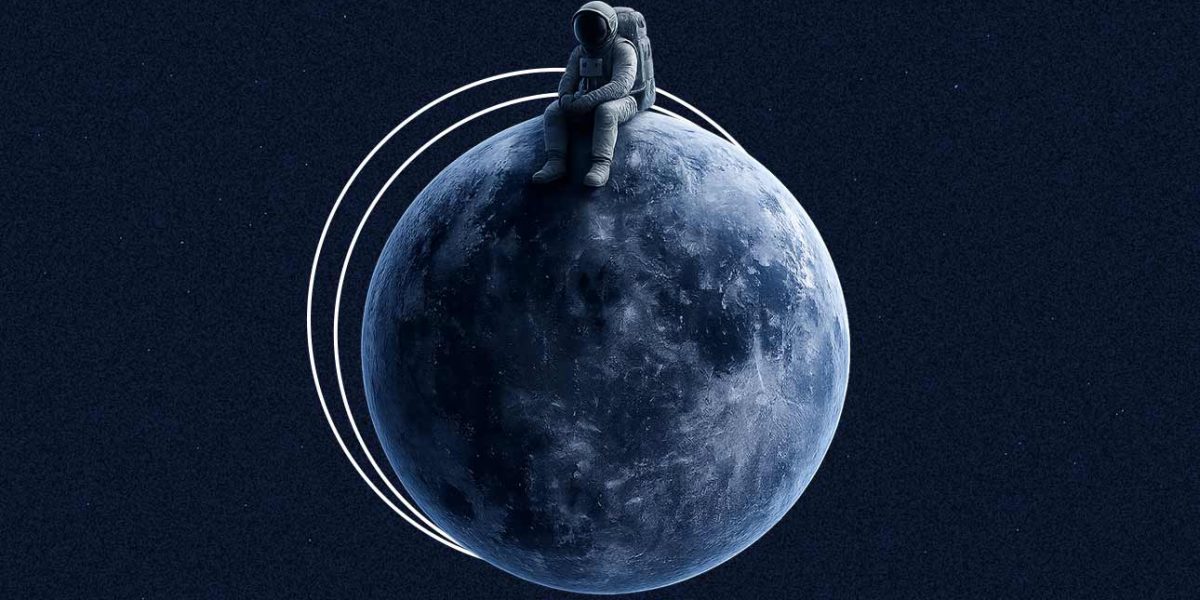
The Overview Effect Takes a Toll on Astronauts Returning Home
NASA astronaut Christina Koch spent nearly 11 months on the International Space Station, witnessing the awe-inspiring beauty of Earth from space. Her experience, like many others, was marked by a profound emotional shift – a phenomenon known as the “overview effect.” This change in perspective, which combines profound awareness, humility, and wonder, has a profound impact on astronauts returning to Earth.
The Challenges of Re-Entry Adaptation
While the overview effect is a transformative experience, re-entry adaptation can be a daunting process. Astronauts often struggle to reintegrate into society, grappling with the harsh realities of life on Earth. They may feel disconnected from the people and places they left behind, or struggle to readjust to the constraints of gravity and routine. The transition can be isolating and disorienting, much like culture shock, but with the added weight of being a returnee.
Researchers have identified key factors that influence an astronaut’s ability to adapt. These include their individual personality, the length of their space stay, and the level of support provided by family and colleagues. A study by the University of Houston found that astronauts who experienced the overview effect were more likely to feel anxious, depressed, or disconnected upon return.
Cases in Point: The Mental Health Struggles of Astronauts
In 2019, NASA astronaut Andrew Morgan spoke publicly about his struggles with anxiety and depression after returning from a six-month stay on the ISS. He attributed his difficulties to the profound shift in perspective he experienced during his time in space. “I felt like I was seeing the world in a way that I never had before,” he said. “And it was really overwhelming.”
What this means: Astronauts returning from space missions may require more support and resources to manage their mental health. This could include counseling, peer support groups, or even a designated re-entry program. By acknowledging the challenges of re-entry adaptation, we can better equip our astronauts to thrive in both space and on Earth.
Advancements in Re-Entry Support
Researchers are working to develop more effective re-entry support systems. These include online resources, peer mentoring programs, and personalized counseling. NASA’s Human Research Program is also exploring the use of virtual reality to help astronauts reconnect with family and friends during the transition back to Earth.
As we continue to push the boundaries of space exploration, it’s essential that we prioritize the well-being of our astronauts. By doing so, we can ensure that they remain healthy, resilient, and ready for their next mission – whether that’s on the ISS, on the lunar surface, or on a journey to Mars.