
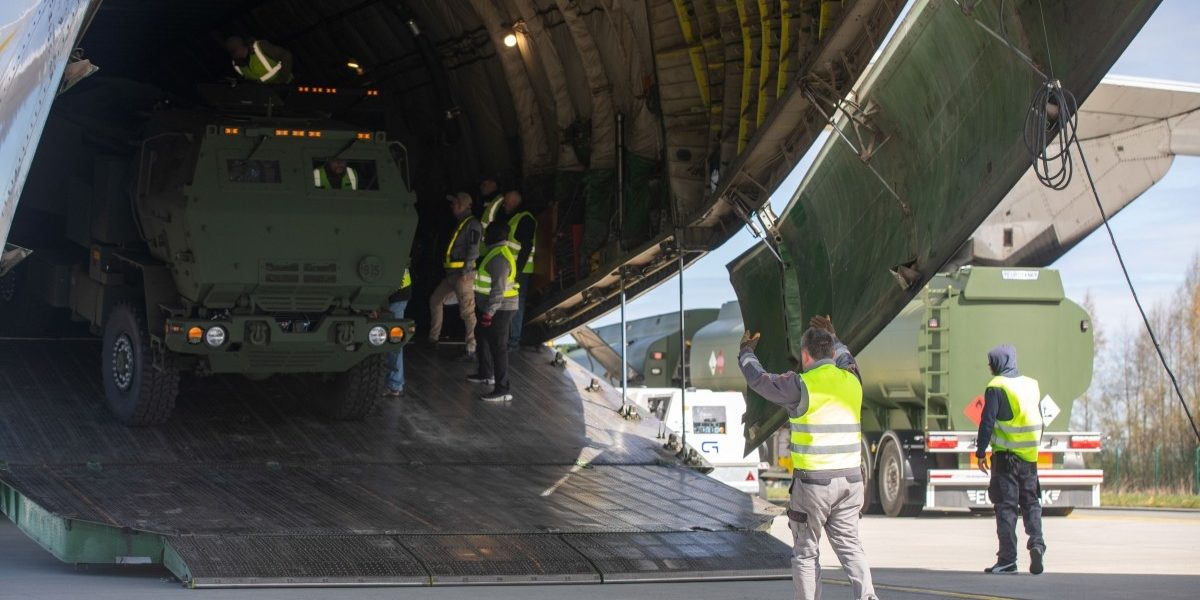
Restrictive Export Laws Threaten Global Security Partnerships
For decades, the International Traffic in Arms Regulations (ITAR) have governed the export of military technology from the United States. But, paradoxically, this system aimed at safeguarding sensitive information has become a roadblock for foreign partners seeking access to U.S. weaponry.
The ITAR, established in 1924, was designed to regulate the export of military-grade technology and prevent the proliferation of deadly systems. However, the labyrinthine regulations have created a complex web of bureaucratic hurdles, limiting partnership opportunities for allies and undermining the very foundation of U.S. influence.
The ITAR’s Unintended Consequences
The restrictive export laws have led to a situation where potential partners are forced to navigate an overly complex system, deterring cooperation and hindering the sharing of critical security information. This, in turn, has emboldened adversaries, as they exploit the divisions created by these regulations.
Take, for example, the case of Israel, a long-time ally of the United States. Despite its strategic importance, Israel has faced significant challenges in accessing U.S. military technology, largely due to the ITAR. The restrictive regulations have forced Israeli defense companies to invest heavily in developing their own capabilities, potentially duplicating U.S. efforts and diverting resources from more pressing security priorities.
A Shift in Statecraft
The ITAR’s restrictive nature has also led to a shift in statecraft, with nations like China and Russia exploiting the divisions caused by these regulations. By offering more permissive export laws and partnering with U.S. allies, these nations are sowing discord and undermining the effectiveness of the alliance.
What this means: The ITAR, once a cornerstone of U.S. defense policy, has become an obstacle to global security partnerships. To address this challenge, policymakers must revisit the regulations, striking a balance between safeguarding sensitive information and fostering cooperation with allies. By doing so, they can ensure the continued relevance of the alliance and maintain the United States’ position as a global security leader.