
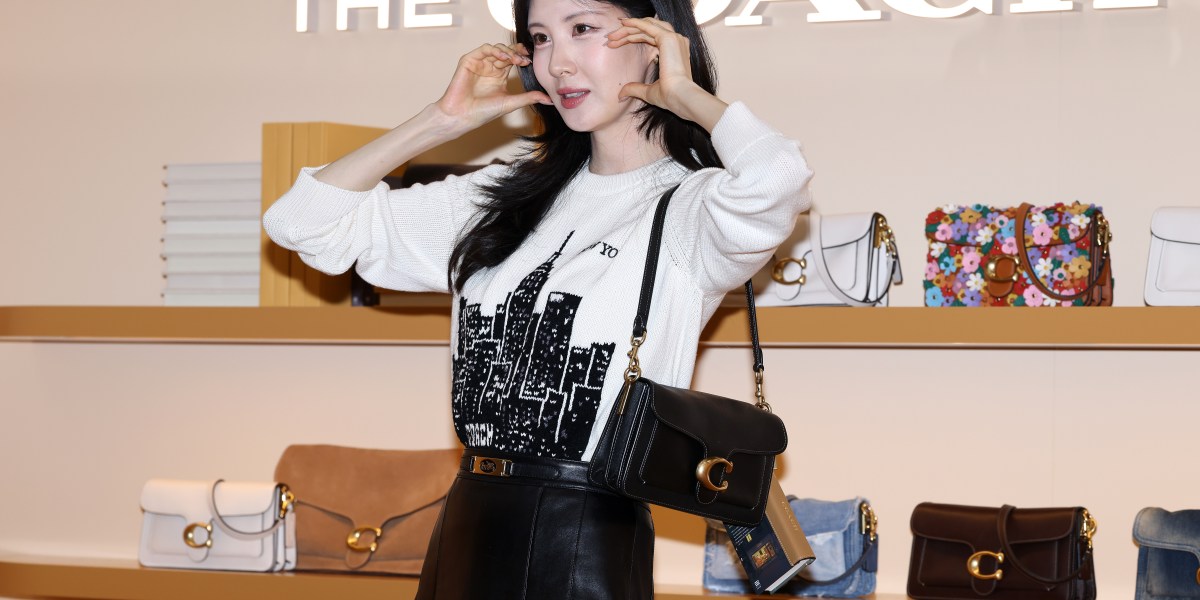
Coach Takes Center Stage as Gen Z’s Go-To Luxury Handbag Brand
Luxury handbags have long been a status symbol, but a new generation of shoppers is redefining what it means to splurge. Enter Coach, the 85-year-old brand that’s stolen the hearts – and wallets – of style-conscious Gen Zers worldwide.
The brand’s sales skyrocketed 29% last quarter, a staggering figure that has Tapestry, Coach’s parent company, beaming with pride. But what’s behind this unprecedented success? It seems Coach has nailed the elusive balance between high-end quality and affordability, finally making luxury accessible to a new wave of consumers.
For generations, luxury handbags have been synonymous with designer labels and hefty price tags. But Coach has somehow managed to disrupt this status quo, crafting handbags that exude sophistication and style without breaking the bank. Whether it’s the iconic Cameron or the sleek Parker, Coach’s designs have won over fashionistas of all ages with their timeless elegance and versatility.
A Perfect Storm of Style and Affordability
So, what’s driving Gen Z’s affection for Coach? According to experts, it’s a combination of factors that has created a perfect storm of style and affordability. For one, social media has democratized fashion, allowing Coach’s beautiful handbags to reach a global audience and gain cult status. Meanwhile, the brand’s conscious approach to sustainability and inclusivity has resonated deeply with younger consumers who prioritize values over material possessions.
But beneath the surface, a more nuanced reality lies. Gen Z shoppers are increasingly savvy about value for money, and Coach’s ability to deliver high-quality craftsmanship at an affordable price point has won them over. With prices starting from under $300, Coach’s handbags are now within reach of many consumers who would have previously only dreamed of owning a luxury item.
What This Means
Coach’s meteoric rise to the top has far-reaching implications for the luxury industry as a whole. If a brand like Coach can achieve such remarkable success by prioritizing affordability and inclusivity, it’s clear that the traditional luxury model is due for a shake-up. What this means for consumers is more choice, more accessibility, and a chance to experience the thrill of luxury without the hefty price tag.