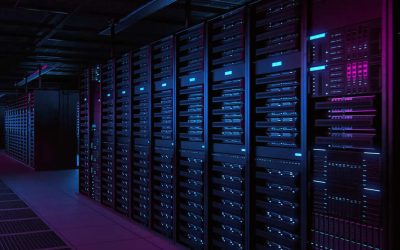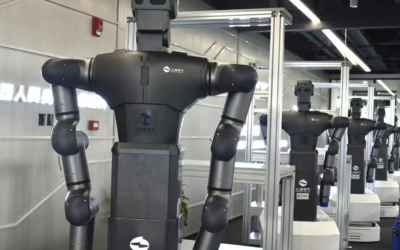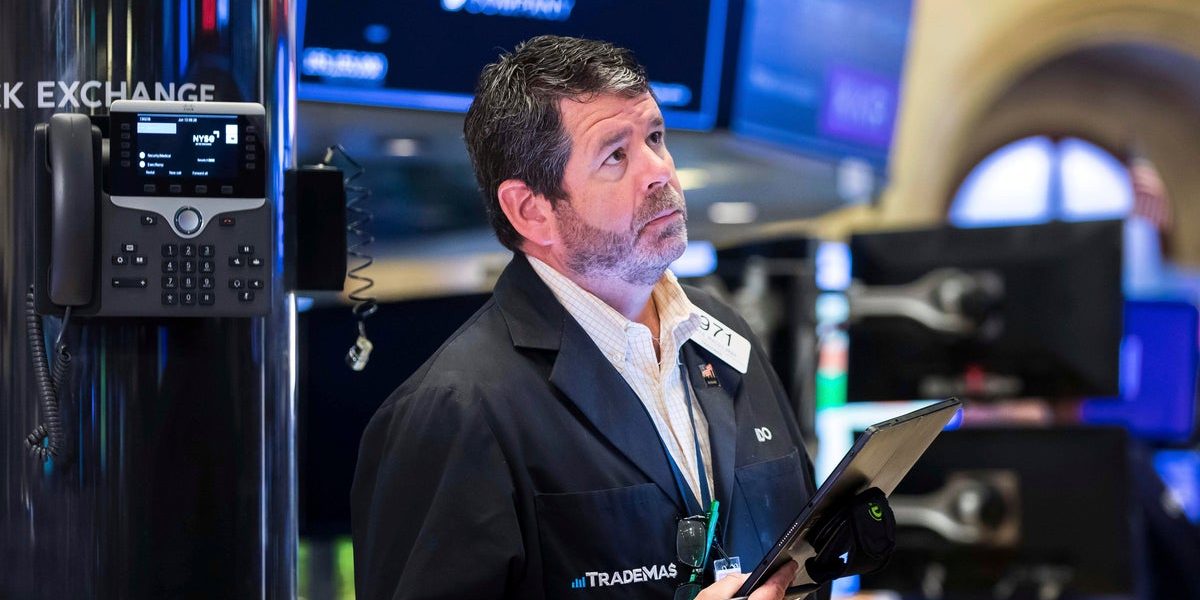
AI traders are quietly outperforming their human counterparts, accounting for a whopping 75% of all trades on major exchanges. This surge in AI-driven trading activity coincides with the S&P 500’s record-breaking streak, which has seen the index notch nine highs in May alone.
The Algorithmic Advantage
According to experts, AI traders are better equipped to handle the complexities of modern trading, making decisions in nanoseconds with unparalleled speed and precision. These AI-powered algorithms can analyze vast amounts of market data, identify patterns, and execute trades at lightning-fast speeds, making them a formidable force on the trading floor.
The result is a trading landscape where AI reigns supreme, with these algorithms accounting for the lion’s share of all trades. This trend is particularly evident in the wake of the recent Iran war and stubborn inflation, which would have historically derailed even the most seasoned traders.
The Human Factor
While AI traders are dominating the markets, human investors are struggling to keep up. With consumer confidence at an all-time low and inflation soaring, many investors are hesitant to make bold moves. This hesitation has led to a significant disconnect between market sentiment and actual market performance.
The S&P 500’s record-breaking streak is a stark illustration of this disconnect. Despite the gloomy economic outlook, the index continues to rise, fueled in part by the relentless buying power of AI traders.
What this means
The AI-driven trading boom is a stark reminder that the markets are becoming increasingly automated. As AI continues to play a larger role in trading, human investors will need to adapt to a new reality where machines are driving the action. Whether you’re a seasoned investor or a newcomer, it’s essential to understand the implications of AI on the markets and adjust your strategy accordingly.